
Year-Round Melanotan 2 Tan Claims: Evidence Limits
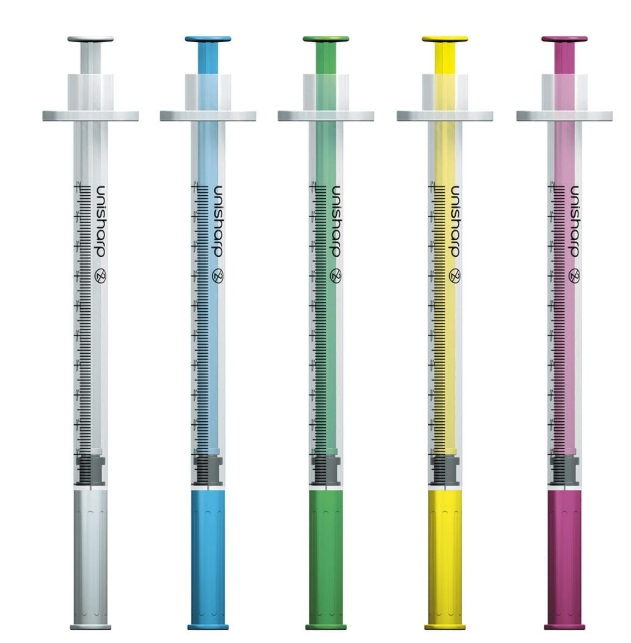
A “year-round tan” can mean a cosmetic appearance, a change in pigmentation or a promise that a result will persist through every season. Those are different claims. Winter weather and indoor time can change a person’s UV exposure, but a seasonal label does not prove that a Melanotan 2 product gives a predictable or lasting result.
Separate an appearance from its cause
Cancer Research UK says Melanotan II can stimulate pigment cells and darken the appearance of skin. That account does not establish a specific shade, an even result or how long an individual change will last. Lighting, cosmetics and outdoor exposure can also affect an image of someone described as “sun-kissed”. A personal photograph alone does not isolate the cause.
For a winter-specific comparison, the autumn and winter article considers UV exposure and cosmetic alternatives. This page focuses on the strength of a year-round result claim rather than seasonal instructions.
Check the promise and its source
Words such as “effortless” and “premium formula” are not measures of effectiveness. A credible duration claim would identify the exact outcome, the time over which it was assessed, individual variation and a source that actually studied that outcome. A supplier’s general product description or a handful of reviews does not answer those questions.
The MHRA’s published response explains that injectable and pen forms are medicines in the UK and that unauthorised products lack safeguards demonstrating quality, safety and effectiveness. That regulatory context matters separately from a cosmetic promise. The science and risks guide provides wider context.
Colour is not sun protection
Cancer Research UK states that a tan does not protect skin from UV radiation. A darker appearance during any season should not be treated as a reason to dispense with ordinary sun protection when UV is strong. This article examines the language of a result claim; it does not recommend an injection, dose or tanning routine.