
Melanotan 2 Tanning Result Claims in the UK
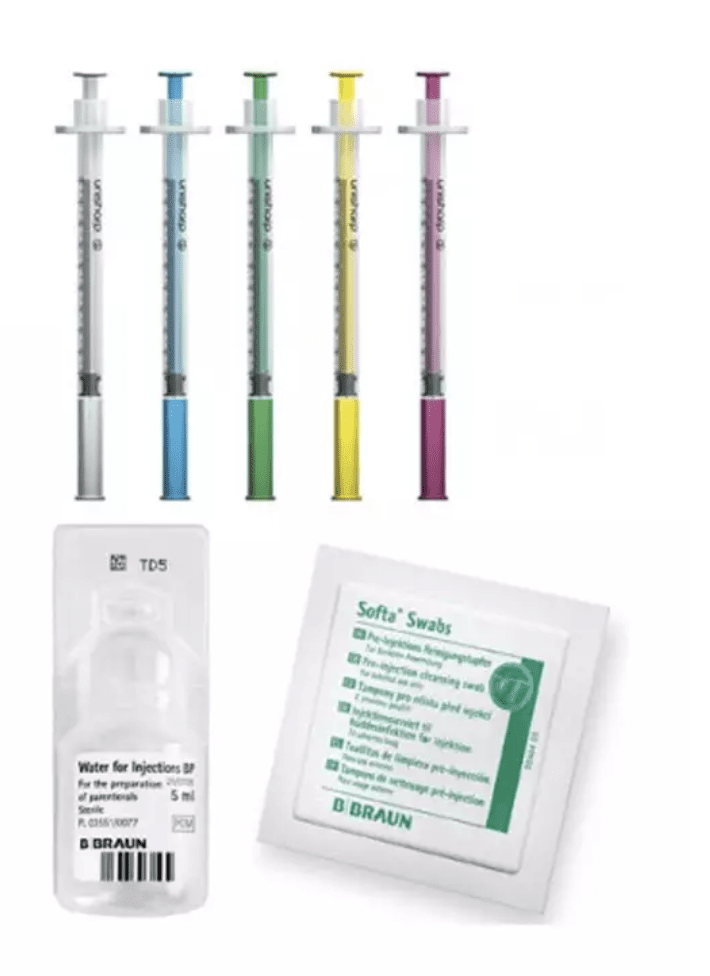
Articles about achieving a particular tan with Melanotan 2 often present a shade, speed or duration as if it were predictable. Those are separate outcome claims. A description of how pigment cells respond cannot guarantee what any individual will see, when a change might occur or how long it might last.
Shade and speed require their own evidence
Cancer Research UK describes Melanotan II as an artificial substance that stimulates skin pigment cells. That general description does not verify a seller’s promise of an even or “flawless” tan. To assess such a claim, ask which product was studied, what was measured, over what period, and whether the evidence applies beyond a few personal accounts.
Photographs can be affected by lighting, camera settings and other tanning methods. A before-and-after image cannot isolate the cause of a colour change. The words “fast” or “long-lasting” are not measurements unless a source defines and supports them. For the terminology behind the substance, see What is Melanotan 2?.
A tan is not a measure of UV safety
A claim that less time in the sun makes a product protective confuses two different questions. Cancer Research UK says a tan does not protect skin from UV radiation. A visible colour change cannot tell a person that sun exposure is safe or that normal protection can be reduced.
Its guidance discusses shade, covering up and sunscreen when the sun is strong. The pigmentation and UV guide explains why colour and protection need separate evidence. Do not treat a tanning outcome claim as advice about safe exposure.
Check the claim against the UK context
The MHRA’s Melanotan II response says injectable and pen forms are classified as medicines and notes the lack of quality, safety and effectiveness safeguards for unauthorised products. That context applies whether a marketing description promises a quick change or a subtle one. Neither a favourable testimonial nor a polished product image demonstrates approval.
For wider evidence and uncertainty, read the science and risks guide. This article evaluates result claims; it does not offer a timetable or instructions for using a product.