
Tanning Injection Glow Claims: What the Evidence Can Show
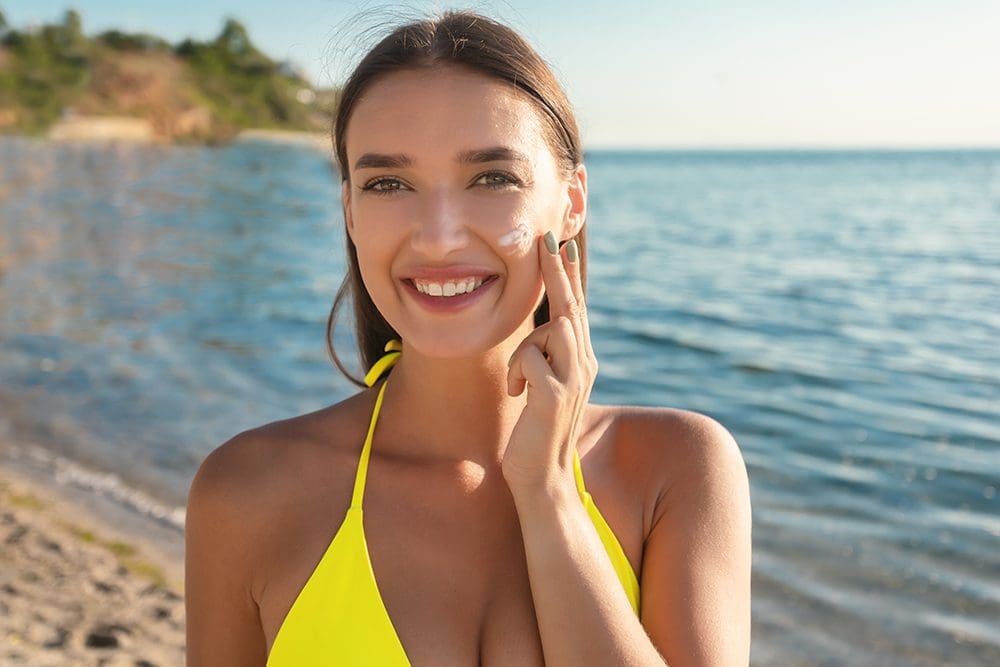
A glossy photograph can make a tanning injection appear to offer an effortless, even glow. It cannot show what was in the product, how the colour developed or whether the result is typical. This article examines appearance claims in advertising rather than suggesting a treatment or routine.
Colour in a photograph is not a measured result
Lighting, editing, cosmetics and existing skin tone can change an image. A claim of consistent or streak-free colour would need defined outcomes, a suitable comparison and evidence for the particular product. A customer story does not establish the same outcome for another person.
What is known about Melanotan products?
Cancer Research UK explains that Melanotan II stimulates pigment cells, but says marketed injections and nasal sprays have not been tested for safety, quality or effectiveness. That distinction matters: a proposed biological pathway is not a guarantee of a desirable tan or a substitute for product-specific testing.
Appearance and protection are separate
A darker look does not protect against UV damage. The NHS sun-safety guide recommends ordinary protection when the sun is strong. For a purely cosmetic appearance, topical fake tan or a spray tan is a different category of choice. Our UV and cosmetic tan comparison covers that distinction without promising a medical benefit.
Check any product or appearance claim against independent evidence rather than a sales phrase such as “revolutionary” or “premium”.
Examine what a glow photograph actually records
A photograph is a record of an image made under particular conditions. It can illustrate a complexion without establishing a product effect, a typical result or a health benefit. Examining how the image was made and selected helps explain the difference between a persuasive appearance comparison and a defined outcome measurement.
Compare the recording conditions before the complexion
Start with the recording conditions rather than the apparent difference. The light source, exposure settings and colour processing can affect how skin appears in an image. If those conditions differ between photographs, the visual difference cannot automatically be assigned to a change in the skin itself. A clear date does not standardise the camera conditions.
The surrounding scene can provide clues but not complete verification. A warmer-looking background may accompany a warmer-looking complexion, while a different white balance may affect the whole image. Such observations justify caution about comparison; they do not establish exactly how much editing occurred or prove that an image has been deliberately manipulated.
Two images taken with the same device are not necessarily comparable either. Automatic settings, lighting and distance may change between occasions. A shared device name therefore does not establish consistent recording conditions. The relevant question is which conditions were controlled or documented, rather than whether the camera was familiar or expensive.
For a fictional before-and-after pair, imagine one image beside a window and the other under warm indoor lighting. The pair can illustrate two appearances, but it does not isolate a product effect. A caption that simply labels them before and after does not supply the missing comparison conditions or identify the cause of the difference.
This is a reading exercise, not a suggestion to create an exposure experiment. Where the conditions are undocumented, the interpretation should remain limited. A polished image can still be useful as an illustration, provided it is not promoted into a precise measure of colour change, consistent performance or product quality without appropriate supporting evidence.
Check the crop and the parts of skin omitted
Cropping determines which parts of the scene and skin a viewer can see. A close-up may omit surrounding areas that would change the interpretation of evenness, lighting or cosmetics. That does not make every cropped image misleading, but it means the visible area should not be treated as a complete record of the subject.
Before-and-after images also need the same relevant subject and area if they are to support a comparison. A photograph of an arm and a photograph of a face do not measure the same field merely because both show skin. The area, framing and recording method should remain part of the image description rather than disappear behind a broad glow label.
Selection introduces another uncertainty. A page may show the most favourable image from several attempts while providing no account of the others. The chosen image does not establish how common that appearance was or how consistently it could be recorded. A single attractive result and a representative pattern are different claims.
Repeated use of the same photograph adds visibility, not independent observations. Several posts featuring one image do not represent several people or several confirmed outcomes. An image record should identify reuse where it is known, while leaving uncertain relationships unresolved instead of counting every appearance as another supporting result.
A useful caption can state whether an image is illustrative, a personal account or part of a defined measurement record. These categories do not have identical evidential weight. Keeping the category explicit helps the reader understand what the photograph can support without assuming either a controlled study or an invented defect in the image.
Distinguish an illustrative photograph from a measured outcome
An image-based measurement requires a defined method and question. A photograph labelled radiant does not, by itself, specify the measured property, comparison conditions or interpretation. The adjective may communicate a visual preference, but it cannot stand in for the information needed to evaluate an outcome claim.
Our guide to the health outcome behind radiant wording explains a further boundary. A darker or more flattering image is not a measurement of skin protection or another medical benefit. A claim about health needs evidence relevant to that health question, rather than a favourable appearance being used as its substitute.
Even a documented colour measurement should retain its scope. A result about one area, occasion or study population does not automatically establish whole-body evenness, individual predictability or the quality of a retail item. The measurement answers its defined question; extending it to another question requires a separate justified connection.
When the image is an individual account, preserve that description. Sincerity does not create a control group, and a personal observation does not verify the contents of a product with a similar label. The account may describe what someone saw while leaving the cause, typicality and product identity unresolved.
The clearest final interpretation names the image’s role and its limits. It can say that a photograph illustrates an appearance under undocumented conditions without pretending to measure an effect. That is more informative than either accepting the whole promotional claim or inventing an explanation for the picture that the available record cannot establish.
References checked: 14 November 2026.