
To Tan or Not to Tan: UV and Cosmetic Choices
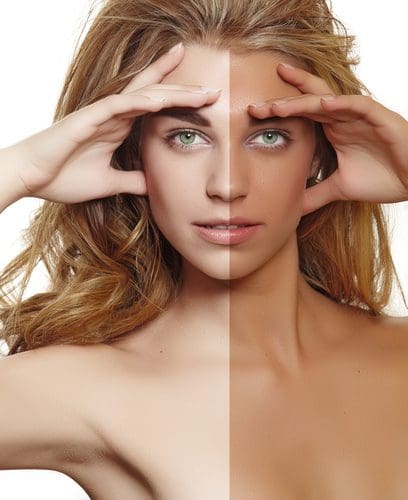
The phrase “to tan or not to tan” can hide two different choices: deliberately exposing skin to UV radiation, or using a cosmetic that changes its appearance. The risks and evidence are not the same.
UV tanning has a cost
Cancer Research UK says there is no safe UV tanning and too much radiation from sun or sunbeds can cause skin cancer. A visible tan is not proof of health and does not shield skin from further UV. The UV Index guide explains protection decisions without specifying a “best” tanning level.
A cosmetic tan is an appearance choice
Topical fake tan and spray tan can produce a darker look without deliberate UV tanning. Read the cosmetic label and consider personal skin sensitivities. These products do not act as sunscreen; the need for shade, clothing and suitable sunscreen still depends on UV conditions.
Where Melanotan claims fit
Melanotan nasal sprays and injections are neither ordinary topical fake tan nor an approved sun-protection method. Cancer Research UK advises against using them and says the products have not been tested for safety, quality or effectiveness. Do not infer a safer choice from a promise of less time in the sun.
For a look that lasts across seasons, the cosmetic tan maintenance article covers practical appearance questions without prescribing UV exposure.
Separate a cosmetic appearance choice from a UV decision
An appearance choice and a UV-protection decision can arise on the same day while requiring different information. A preferred colour answers an aesthetic question; environmental conditions and independent guidance address protection. The fictional decision account below keeps those questions separate without recommending a tanning routine or claiming that one marketed alternative has been established safe by another’s limitations.
Write the appearance preference as its own question
Write the appearance preference in plain terms. A person may prefer a particular look for a photograph or an occasion. That is a subjective goal rather than a clinical endpoint. Defining it directly avoids adding an assumption that the preferred shade is healthier, protective or necessary for wellbeing.
Imagine a fictional person who wants a darker appearance in an event photograph. The preference does not identify a method, establish how any product performs or define an appropriate exposure. Several different product categories may be advertised around the same goal, but the shared goal does not make their evidence interchangeable.
Our annual-appearance record explanation shows how repeated aesthetic observations differ from an exposure history. The same distinction applies to one event. A photograph can record how someone looked without establishing what conditions preceded it, how much exposure occurred or whether a particular product caused the displayed result.
When comparing appearance claims, retain the outcome being judged. A personal preference, an image rating and a measured colour change answer different questions. A persuasive comparison should not switch between them to declare a universal winner. The source should identify what was assessed and whose judgement, if any, the conclusion represents.
The appearance question can remain limited and useful. It may concern a label, a cosmetic category or a subjective look. It should not be expanded into a personal medical assurance simply to make the choice sound more decisive. A clearly stated preference does not require an invented health benefit beside it.
Assess environmental protection without a colour target
Environmental protection asks about conditions and relevant precautions independently of the desired shade. The presence of colour should not be used as a measurement of protection. A cosmetic result and a protection decision can therefore be discussed separately even when they concern the same person and occasion.
For a fictional example, the person likes the event photograph but will spend time outdoors under a different set of conditions later. The earlier aesthetic judgement supplies no assessment of those conditions. It does not identify the appropriate protection information or justify using a colour target to calculate time in the sun.
The NHS sun-safety guidance explains that a tan does not protect skin from harmful sunlight. Its protection context should retain that meaning rather than become a comparison of cosmetic performance. The source is not a rating of how attractive a colour looks or a certificate for a marketed appearance product.
Our health-benefit claim explanation addresses a related boundary. A general health topic such as vitamin D or mood should not be inferred from a visible tan. Adding those topics to an appearance choice does not make the appearance a medical outcome or establish that an exposure routine produces the advertised benefit.
Keep the two questions visible in any final account: what appearance is preferred and what protection information is relevant to the environment. One answer does not complete the other. This is a way to read the claims accurately, not a method for planning exposure or selecting a product for personal medical circumstances.
Compare alternatives without treating one uncertainty as proof of another
An uncertainty about one method is not evidence that another has been assessed appropriately. Comparisons sometimes identify a real limitation and then present a different marketed product as the automatic solution. The second claim needs its own evidence. It does not gain support merely because the first option has a problem.
Imagine a fictional comparison stating that deliberate UV tanning has risks and then naming an unrelated item as harmless. The first statement does not establish the second. A fair comparison needs to retain the category, product identity and relevant evidence for each, rather than use one concern to fill another product’s unanswered quality or health questions.
Ordinary topical cosmetic colour should also retain its own label context. A statement about that category cannot be transferred to nasal or injected products carrying a similar desired look. The independent guidance already linked above distinguishes those subjects. A spray-shaped container or the word tanning does not erase the distinction.
Do not turn the absence of a complete ranking into a personal recommendation. It can be possible to explain why a comparison is unsupported while leaving the choice requiring more relevant information. A single appearance score cannot combine product identity, unwanted effects, environmental protection and personal circumstances into one justified answer.
The final comparison should keep the aesthetic goal, environmental question and evidence for each product category separate. It can state precisely what is known and which advertised extension is unsupported. That gives the reader a clearer account without inventing a universal best option, an exposure timetable or a health promise based on colour.
References checked: 14 November 2026.