
29G Syringe Listings: Reading the Specifications
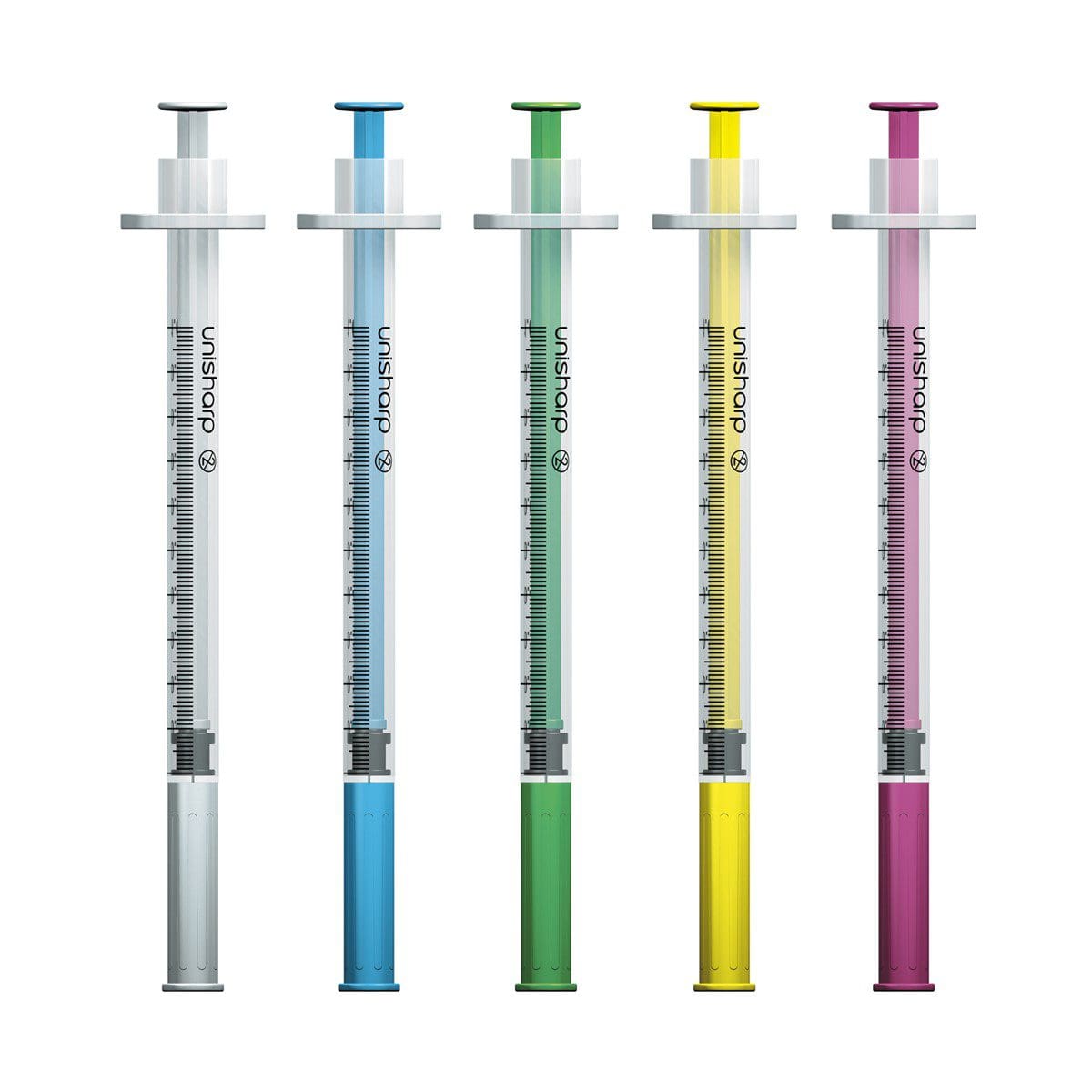
A syringe listing can identify a gauge, capacity, needle arrangement and pack count. Those details are useful for comparing the item shown, but they do not establish whether a product or procedure is suitable for a person. This article is about reading the written specifications, not giving injection directions.
What does 29G identify?
The “29G” in a listing is a needle-gauge designation. It does not by itself tell you the syringe volume, pack quantity, manufacturer, packaging condition or compatibility with a particular product. Read the full current description and photographs together, rather than treating a short title as a complete specification.
Check the exact pack and variant
The current 10-pack UniSharp 29G product listing names the pack and item type. Availability, supplied variant and other details can change, so the live product page is the relevant catalogue source. Do not transfer a quantity or feature from a different syringe article to this item.
A specification is not a clinical claim
Words such as “pain-free”, “perfect dose” or “guaranteed safe” need evidence beyond a gauge number or plunger colour. Individually packaged and labelled sterile are statements about a supplied item, not proof that an online use method is appropriate or that a separate substance is approved.
For the wider question about Melanotan products, the MHRA’s response explains the missing quality, safety and effectiveness safeguards for unauthorised products. Compare the item details independently of that health question.
Keep a device dimension separate from a performance claim
A physical dimension can help identify an accessory while leaving a performance or clinical claim unanswered. The task is to retain the property actually described and ask what evidence supports the additional conclusion. These examples explain that distinction without recommending a device, assigning a tolerance or describing an injection method.
Keep dimensional identity separate from a clinical endpoint
A dimensional field describes a particular physical property. A claim about pain, clinical suitability or an outcome in a person concerns another subject. The presence of the first field does not establish the second conclusion. A comparison should preserve the difference even when a marketing sentence places the dimension directly beside the promised benefit.
Imagine a fictional description that identifies a gauge and then calls the item comfortable. The gauge field and the comfort claim need different supporting information. The description can identify the stated dimension while leaving the personal outcome unestablished. A familiar number should not be asked to perform the evidential work of a clinical or observational assessment.
The packaged-object identity guide explains why a shared gauge also does not establish a complete model match. An outer pack, a particular model and an individual unit are different subjects. Before carrying any property between them, identify the relationship documented by the source rather than assuming that a similar title makes the records equivalent.
This distinction does not diminish the value of a well-described dimension. It makes the description more useful by identifying what the field actually answers. A reader can retain that narrow fact without turning it into a recommendation, an assurance about another substance or a prediction of how every individual would experience a product.
Ask whether the claimed performance was actually tested
A performance statement needs an identified property, subject and assessment context. A number in a title is not that assessment. The reader should be able to tell whether the source reports an observation, repeats a specification or uses a qualitative adjective. Keeping those forms separate prevents an ordinary descriptive field from acquiring an unsupported test-result meaning.
The NIST terminology guidance cautions against treating accuracy, precision and related concepts as interchangeable labels. Its measurement context helps explain why a general adjective is not a complete result. It does not certify an accessory, establish a pain outcome or provide an operating specification for the retail item discussed here.
A document may also distinguish a design specification from a result obtained for a submitted sample. Keep the declaration and the completed observation separately labelled. Their appearance in one document does not make every listed feature a tested outcome, or establish that a later supplied unit was itself assessed.
Our precision-language explanation separates printed graduations, repeated observations and agreement with a reference. Those are different questions even when they appear together in a product description. A source supporting one should not be presented as if it automatically supplies evidence for every other property a reader might associate with the same device.
For a fictional report comparison, one record names a physical model while another describes an assessed performance property. A shared model reference can help connect the subjects if that relationship is documented. It does not enlarge the reported endpoint. The summary should retain exactly what was assessed rather than adding clinical benefits that the report did not investigate.
Preserve the missing condition in a comparison
A missing test condition should remain missing when the statement is summarised. It can be tempting to supply a familiar condition from another document because the result otherwise looks incomplete. That introduces a new claim. The source needs to identify the condition for the assessed subject, not merely describe something plausible for a related item.
Imagine two fictional descriptions using the same performance word while naming different assessment settings. The comparison cannot become a direct ranking by omitting those settings. A common adjective is not proof of a common method, reference or outcome. Retain the differences before deciding whether the records answer a sufficiently similar question to be compared at all.
Keep documentary clarification distinct from personal suitability. A supplier can clarify what a listing or report says about the identified item. That is useful information, but it does not turn a general accessory article into an assessment of someone’s medical circumstances. Nor does it verify the composition or suitability of a separate substance merely because the items are marketed together.
The finished reading should therefore retain the stated dimension, the exact performance claim and the conditions actually reported. It can identify a missing relationship without inventing a reassuring specification or alleging an unsupported failure. That approach gives physical information its proper role while leaving clinical endpoints and individual decisions outside conclusions that a dimension alone cannot establish.
References checked: 15 November 2026.