
Melanotan 2 Nasal Kit: Bottle and Vial Details
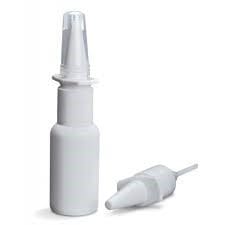
The phrase “nasal spray kit” describes packaging and an intended format. A kit can vary in vial count, bottle count and included accessories, so the live item list matters more than a generic claim.
Check the current package
A photograph might show an assembled bottle, a vial or several parts. Read the bottle-and-vial explanation and the kit-versus-separate-item comparison, then check the selected product listing for its current inclusions and exclusions.
Delivery format does not prove a result
A claim of deeper colour or faster tanning requires product-specific evidence. Cancer Research UK says marketed Melanotan products have not been tested for safety, quality or effectiveness.
Compare with the right guides
The site’s nasal-kit category covers offered formats. The NHS sun-safety guide remains relevant regardless of any appearance change; a tan does not protect from UV damage.
Further reading: nasal-kit category, Cancer Research UK, NHS sun advice.
Identify each object in a nasal-kit description
Bottle, vial and kit describe different objects in a nasal-kit listing. A useful comparison begins by identifying those objects separately, before interpreting a picture or counting a bundle. The fictional examples below explain how descriptions can be reconciled; their component names and quantities are illustrations, not a statement of the current M2UK offer.
Name the container before interpreting its contents
A bottle is a container description. It does not, by itself, say whether the container is supplied empty, contains a particular formulation or is pictured only to illustrate a format. Those are additional statements that need their own wording. If the listing leaves one unstated, the container name cannot fill it in through implication.
A vial is another container description, while kit is a grouping term. A kit might refer to several separately named items, but the word does not define a standard inventory shared by every seller. The title, selected variation and detailed item list need to be read together before the grouping has a precise meaning.
Imagine a fictional listing naming one bottle and one separately labelled vial. Record those as separate entries. Do not rename the pair two bottles, and do not describe the bottle as containing the vial’s labelled substance unless the listing explicitly says so. This is an exercise in preserving the description, not in interpreting how the items would be combined.
The distinction also matters when a photograph places the objects next to each other. Physical proximity in a product image is not a statement about contents or compatibility. A picture can illustrate the named objects while leaving their formulation and relationship unresolved. Reading the actual item list prevents the arrangement of an image from becoming an unstated specification.
When two records use different object names, keep both original descriptions visible until the difference is explained. It is easy to simplify container, bottle and finished product into one word during a comparison. That simplification can erase the very distinction a reader needed to check, especially where a listing includes empty packaging.
Keep the image caption with the object it describes
A caption tells you what an image is intended to illustrate. Check whether it describes one selected kit, an example arrangement or a broader range. A photograph used across several variations may be useful visually, but it cannot establish that every object shown is supplied with each variation. The selected item’s description must answer that question.
In a fictional example, the same photograph could accompany a single-kit entry and a two-kit entry. The photograph has not independently counted either bundle. It may simply be reused artwork. The number of visible containers should not override a clearly stated item count, while an unexplained disagreement should remain an unresolved description rather than be silently corrected by the reader.
Image labels can also refer to the object pictured rather than every supplied component. A close-up of a vial does not supply the label details for a neighbouring bottle. Likewise, a bottle’s capacity is not the declared amount of a substance in a different container. Keep each visible label attached to the object on which it appears.
Our two-kit inventory reconciliation guide develops the next counting question. Once the objects within one described kit are clear, a reader can examine whether a larger bundle repeats those objects or shares some items at package level. Starting with a clear single-kit description avoids multiplying an uncertainty before its scope is understood.
A missing caption is not evidence that an illustration is wrong, but it limits what can be established from it. The useful record says which parts are explicitly stated and which are inferred. That approach preserves the seller’s actual description while preventing a plausible interpretation from being presented as a verified package specification.
Carry the selected kit identity into the comparison
The selected kit identity should survive every move between a category, an individual listing and a dated order record. A category may summarise several options, whereas a particular selection describes one option. A broad range description should not replace the details of the selected item merely because both pages use the same kit name.
Record a fictional selection by its identifier and stated variation before making comparisons. If a later page shows a different count, first ask whether the selection changed. It may describe a larger bundle, another version or a different container arrangement. A difference between records is not automatically a shortage or an improvement; the subjects need to match first.
Exclusions should travel with the selection too. An empty-container statement, for example, belongs to the item it describes. Removing that qualification during a summary changes the meaning of the record. Conversely, an exclusion for one accessory should not be expanded into a claim that no other accessories are included unless the description actually says that.
The resulting comparison can be concise: name the selected kit, list its stated objects and mark unanswered fields. It does not require a preparation plan or a conclusion about the effects of the contents. Inventory clarity and health evidence remain different questions even when the same product page discusses both of them.
Keep the date of a recorded description when comparing it with a later version. A changed listing should not rewrite what an earlier record stated, and an old screenshot should not be used as proof of the current offer. The value of the exercise is accurate identification, with each conclusion limited to the record and time it actually concerns.
References checked: 14 November 2026.