
Two Melanotan 2 Nasal Kits: What Is Included?
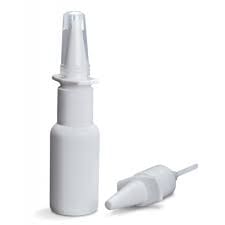
A “two nasal kits” heading is about the quantity of bundles. It should not be read as proof of a perfect tan or a safe route of administration.
The two nasal kit listing names two bottles, four Melanotan 2 vials, two water items, two syringes and two wipes. These are inventory counts; they do not specify a personal routine.
Identify each kit
Compare the current listing to see whether bottles, vials and additional items are included in both kits. An empty nasal bottle is distinct from any preparation.
Avoid guaranteed outcomes
Colour, timing and evenness cannot be established by counting bottles. Marketing images do not control for UV exposure or baseline skin colour.
Keep independent advice in view
Cancer Research UK warns that marketed Melanotan nasal sprays lack testing for safety, quality and effectiveness. NHS sun precautions remain relevant.
Two nasal kits could describe two boxes, two bottles or another bundle configuration, depending on the live offer. A reader needs the exact written contents to compare price and quantity. This article therefore addresses inventory interpretation; the separate article about two spray kits focuses on why buying more units cannot establish a stronger or faster effect.
The nasal kit category shows the live bundle options. Further reading: Melanotan 2 nasal-kit catalogue, Cancer Research UK and NHS sun safety.
Reconcile two-kit descriptions across repeated names
The word two is useful only after the kit being repeated has been identified. Similar titles can describe complete bundles, separate containers or different versions of a package. The fictional reconciliation below follows identity and scope before arithmetic, keeping the existing inventory context above intact and avoiding any estimate of use or effect.
Identify the repeated kit before doubling its contents
Identify the selected kit by its full description and any available variation details. A short title may name a range rather than a single stable inventory. Before doubling a component list, establish that the list describes the unit actually repeated in the two-kit offer. Otherwise the calculation can be exact while its starting assumption is wrong.
Imagine fictional Kit A naming a defined group of components and Kit B naming another group. A headline saying two kits does not establish whether it means two A units, two B units or a different selected bundle. That identity needs to come from the offer, not from whichever single-kit description is easiest to find.
Our three-kit counting explanation shows the same problem at another package size. A repeated bundle needs a defined contents statement, while shared order-level entries retain their own scope. The number of kits should not be used to multiply an accessory that the description supplies only once per order.
Once the repeated unit is clear, keep the original component nouns and quantities attached to it. Bottle and vial should not become synonyms just because they appear together. A complete-kit statement should remain distinguishable from a container count, and a stated exclusion should survive any summary of the repeated contents.
A matching inventory is still a commercial description. It does not verify ingredient identity, establish an appropriate routine or demonstrate a predictable appearance. Completing the package arithmetic should not be presented as completing those separate assessments. The useful result is a clearer account of what the selected description states.
Separate two complete kits from two named containers
Two complete kits and two named containers describe different levels of the inventory. A kit can include several objects, while a container is one of the possible object types. The two should not be compared as equal units unless the description explicitly defines that relationship. The numeral alone cannot supply it.
For a fictional example, Record A states two complete Kit A bundles. Record B states two bottles without defining a bundle. B establishes a bottle count but leaves the wider inventory unknown. Rewriting B as two kits would expand the description, even if the bottles resemble those pictured alongside the Kit A range.
Outer packaging is another separate level. Two complete bundles may be described within one carton, or one order may be split between cartons. That transport arrangement does not redefine the kit. A parcel count and a bundle count can both be accurate while answering different questions about the same commercial record.
Repeated headings should not inflate the object count. A page can name two containers in its overview and describe the same two again in a component list. Those mentions need not establish four objects. The relationship between the statements matters more than the number of times the noun occurs in the page text.
Where a description does not make the level clear, retain the exact wording and identify the missing relationship. The question may be whether two refers to complete bundles or only to containers. It should not be answered by translating the package into an application count or by assuming that more units produce a stronger result.
Keep a disagreement tied to the exact description
A disagreement needs a precise documentary subject. Record which selected version, date and field each source describes. A current range summary may differ from an earlier article without either sentence identifying the exact disputed order. The difference can be described, but its commercial significance requires the relevant selection record.
Imagine a fictional older article naming one accessory per kit while a later selected description names one per order. The disputed field is accessory scope. It is not necessarily a disagreement about the number of kits or containers. A useful note preserves both statements instead of replacing the whole earlier inventory with the later wording.
A clarification should identify the version and field it resolves. A response about the selected two-kit offer does not automatically revise every similarly named single- or three-kit item. Likewise, a statement about carton count cannot settle an undefined component count unless the connection is explicitly explained.
If no answer is available, the account should state which part remains unresolved. It may still be possible to identify the selected title or a stated container count. An incomplete inventory is not a reason to invent an attractive total, and a complete inventory would not provide evidence about clinical safety or effectiveness.
The final reconciliation should retain the repeated kit identity, component scope, package level and exact disagreement. That makes the two-kit wording understandable and gives a later clarification somewhere precise to fit. It also keeps the purpose of the article clear: interpreting the stated bundle, rather than estimating a personal course or promising an outcome.
References checked: 14 November 2026.