
Melanotan 2 Nasal Spray: Safety Claims Assessed
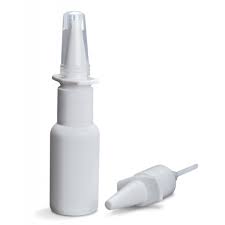
Calling a nasal spray a “safe tanning solution” goes beyond what a product-format label can show. Delivery without a needle does not establish tested ingredients or predictable outcomes.
What is known and unknown
Melanotan II is discussed as an analogue associated with pigment pathways. That mechanism is not a product authorisation. The content, absorption and outcome of a particular marketed spray require their own evidence.
Guidance on marketed sprays
Cancer Research UK says Melanotan products have not been tested for safety, quality or effectiveness. The MHRA response describes the UK classification of different forms and warns about adverse effects.
Keep UV advice in place
An apparent tan is not sunscreen. Compare spray and injection claims in the format guide, and use NHS advice for shade, clothing and sunscreen when the sun is strong.
Further reading: Cancer Research UK, MHRA response, format guide, NHS UV advice.
Keep a nasal classification statement within its scope
A regulatory category describes how a particular question falls within a legal framework. A product assessment concerns evidence about a specified item. Individual suitability is a further clinical question. Keeping those subjects distinct helps explain why a statement about nasal-product classification should not become a general promise of tested safety or predictable results.
Retain the product form and claims in the source
Read the product form and the claims with the source statement. A description that omits either may change the meaning of an official answer. The date matters too: a historical response should retain its date, rather than appear to be a newly issued assessment of the product currently being advertised.
The Parliamentary answer of 15 December 2025 distinguishes Melanotan II injections and pens from tan-enhancing nasal products marketed without a medical purpose. It describes a form-and-claims distinction in medicines regulation. That statement should not be shortened into an assertion that a particular nasal item has been independently tested or approved for a desired outcome.
The subject is the distinction described in that answer, not every possible product carrying a similar name. A description can change the claimed purpose or presentation, which means the relevant question must be reconsidered on the applicable evidence. A familiar abbreviation does not make all products or claims identical.
For a fictional reading example, imagine an official answer addressing Category A while an advertisement names Item B. Identifying the category may help frame the discussion, but it does not identify Item B’s contents or supporting tests. The connection between the general source and the individual item remains a separate matter.
This is why a reference should preserve the question it answers. A source about regulatory remit is valuable for that purpose. It should not be presented as if a laboratory assessed a retail sample or a clinical study established an appearance result. Those conclusions need different evidence, even when all are discussed on the same page.
Distinguish a classification from a tested product finding
A classification statement does not supply a composition result. A seller’s label may describe the stated contents, but a relevant analytical record would need to identify its sample, method and findings. The existence of an official category cannot fill an unreported test field or establish the relationship between a report and the item being discussed.
Nor does a classification create an effectiveness comparison. A claim that one format is faster, more consistent or longer lasting introduces a measured-outcome question. The source would need to address the exact formulation and comparison. A legal distinction between categories is not an answer to that clinical or performance question.
Our original safety-claims reference above gives the broader evidence context. Its population and reporting questions remain necessary independently of a product’s descriptive category. A statement about the absence of a particular regulatory status should not be used as proof of either benefit or harm; it simply does not establish those outcomes.
Consider a fictional document set containing a category explanation, an item list and a personal review. Each record has a subject. Combining them may improve the background description, but the combination does not automatically produce the missing product-specific assessment. A conclusion must still be connected to the evidence capable of supporting it.
The most useful summary distinguishes what the source actually states from the assurance being inferred. It can explain the form-and-claims context while leaving composition, outcome or quality fields unresolved. That preserves the value of the official information without enlarging it into a product certificate the source never provided.
Leave individual suitability to the relevant clinical context
A person asking whether something is appropriate for them is asking a different question from how an online item is described. Relevant clinical circumstances cannot be assessed from a kit name, a route label or a general regulatory explanation. A webpage should not turn those fragments into a personal recommendation.
A testimonial does not supply that missing assessment. It may record an individual’s account while leaving product identity, other exposures and follow-up incomplete. A reassuring account cannot establish that another person will experience the same outcome, and a reported appearance change does not verify the absence of unwanted effects.
The existing independent health and sun-safety links above retain their own roles. An apparent tan is not a measurement of UV protection. Likewise, a format comparison should not be interpreted as an instruction to switch routes or a reason to change an exposure pattern. Those actions do not follow from the category description.
Where the unanswered question concerns symptoms or a personal medical decision, qualified advice needs the relevant product information and clinical context. Where it concerns a listing, identify the exact description and disputed field. Separating those requests makes each more precise without assigning a medical responsibility to an inventory explanation.
The final reading should therefore keep three labels visible: regulatory context, evidence for the individual item and personal clinical advice. They are related topics, but they are not interchangeable endorsements. A clear account states which question has been answered and which remains open instead of using one broad reassuring word for all three.
References checked: 14 November 2026.