
Melanotan 2 Nasal Spray and Injection Formats Compared

Melanotan 2 is described online in nasal spray and injection formats. Comparing those labels can clarify what a product listing says, but it cannot establish that one format is safer, more effective or suitable for anyone. This article keeps the format comparison separate from health claims.
What differs between the formats
A nasal listing describes a bottle or kit intended for nasal delivery. An injection listing describes a vial or a bundle that may include separate accessories. The stated pack contents, quantities and format should be read from the specific listing rather than inferred from the word “kit”. Our kit contents comparison covers the items shown in different bundles.
For example, a bottle count is not a vial count, and a bundle name does not automatically state what accessories it includes. The product detail section is the place to check those facts. The comparison in this article concerns how listings describe the formats; it does not rank them by health outcome.
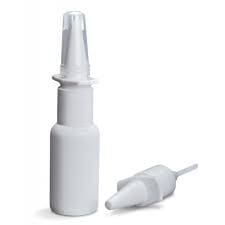
Different labels do not settle safety
The MHRA’s Melanotan II response says injectable and pen products are classified as medicines; the classification of a nasal spray depends on claims made for it. This legal distinction is not a claim that a nasal product is safe. Cancer Research UK advises that both nasal sprays and injections are not safe to use and says Melanotan products have not been tested for safety, quality or effectiveness.
Descriptions such as “needle-free” or “precise” are often presented as benefits. Those words describe a feature or an assertion about delivery, not evidence of a better result. A comparison of efficacy would need evidence involving the relevant products and outcomes; an online listing cannot supply that by itself.
Claims about tanning and skin protection
A delivery format does not establish a skincare benefit or protection from sun damage. A change in pigmentation is not a substitute for sun protection; Cancer Research UK says a tan does not protect skin from UV radiation.
It is also easy to confuse a cosmetic spray tan with a Melanotan nasal product because both contain the word “spray”. Cancer Research UK describes topical fake and spray tans separately. Claims made for one type should not be carried over to the other.
Evidence about a delivery format, a predictable result or a health benefit should be assessed separately. For the broader evidence and UK context, read the science and risks guide.
A fair format comparison keeps the same question
A comparison becomes difficult to interpret when each side answers a different question. A format feature, a contents list and an appearance claim are not alternative measurements of one result. Before treating two descriptions as a contest, identify the shared question and the records that could answer it. This keeps a useful description of differences from turning into an unsupported ranking of products.
Match the question before comparing the answers
Start with an ordinary-language question that has a defined subject. What containers are listed is different from what outcome was measured. If one side of a comparison provides an inventory and the other provides a testimonial, the records have not answered the same question. A heading calling them alternatives does not repair that mismatch.
For a contents question, retain the exact selected listings and their component fields. For an evidence question, retain the preparations, observations and comparison conditions described in the relevant sources. The records may share a broad substance name while differing on those important details. The comparison should expose the differences rather than replacing them with one reassuring format label.
The catalogue-navigation overview helps identify which listing a description belongs to. It does not turn that identification into a result about effects. Once the item is clear, ask whether the evidence presented actually concerns the claim under discussion. Locating a product and establishing a performance comparison remain separate tasks.
In a hypothetical example, one advertisement describes fewer purchasing steps while another describes a selected appearance photograph. Neither observation independently ranks the other’s result. The fair conclusion is that the advertisements emphasise different things. A combined score would add a judgement for which the original descriptions have not supplied a common measurement.
Keep a missing study detail visible in both columns
An unknown field should be visible on the side where it is unknown. Do not fill it with a detail from the other format merely to produce a balanced-looking comparison. Two complete-looking columns can be less informative than a record that states exactly which question one source does not answer.
Imagine one hypothetical account naming the preparation behind an observation and another giving only a broad format label. The first may be more specific about identity, but that difference does not automatically establish a better outcome. Keep the identity gap and the outcome question separate. More detailed presentation is not itself the result being compared.
Dates matter too. A current listing and an older study record can each be accurately described while concerning different material. A recent webpage date does not make the historical experiment a test of the current item. The comparison needs an explicit connection between the preparation studied and the assertion made for the named product.
When information is missing on both sides, avoid treating the shared absence as proof of equivalence. Two descriptions can leave the same question unanswered without establishing that their products perform alike. The missing evidence limits the conclusion; it does not supply an equality sign simply because both advertisements use familiar terminology.
A feature comparison does not settle a different outcome
A feature can distinguish formats without measuring the outcome that matters in another claim. The needle-free label guide develops that distinction for one commonly advertised description. A feature statement should retain the scope of its subject. It cannot answer every question about composition, consistency, appearance or personal suitability merely by being factually stated.
The same applies to an ordering comparison. A difference in pack count or the number of separately selected listings can describe a purchasing arrangement. It is not an observation of a person’s response. A paragraph that moves from one to the other needs additional evidence for that move, rather than a more persuasive restatement of the format difference.
Read conclusions for words that add a wider promise, such as better, dependable or suitable for everyone. Each expression needs a defined comparison and supporting record. If the evidence covers only one narrower feature, leave the broader result unresolved. The reader should not have to supply the missing connection from the positive tone of the wording.
A useful comparison can therefore be limited and still informative. It can identify different listing features, show which fields are stated and explain which outcomes have not been compared. That account is clearer than naming a winner across unrelated questions, and it preserves the original distinction between product-format descriptions and evidence about effects.
References checked: 14 November 2026.