
One-Vial Accessory Kit Contents: What Is Listed
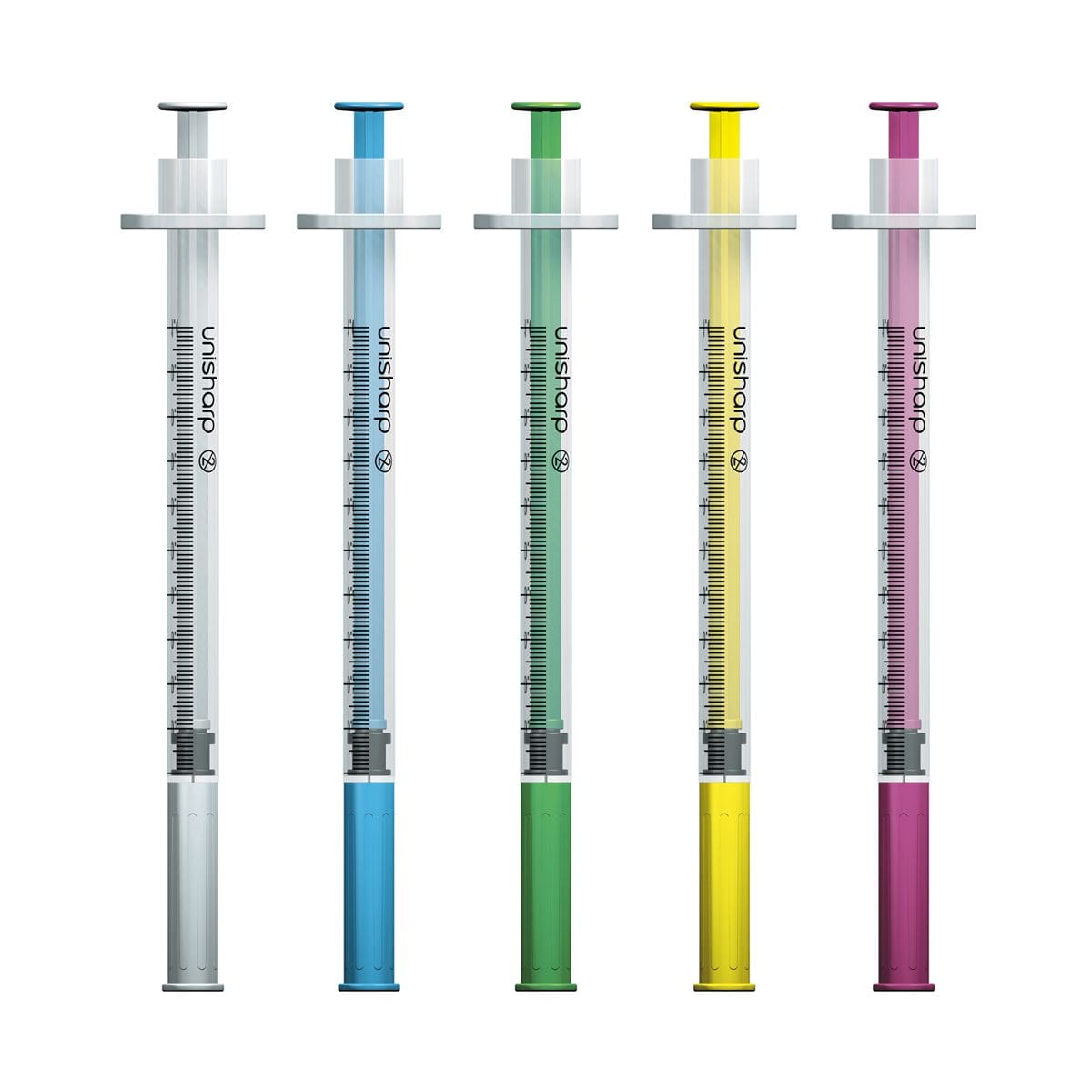
“Kit items for 1 vial” can sound like a complete starter kit, but the two catalogue entries name different bundles. This guide identifies the stated items in the accessory-only listing and directs you to the current product details. It does not describe how to prepare or administer a product.
The accessory-only listing
The Kit Items for 1 vial product page currently names one water item, eleven pins and eleven wipes. Its title does not list a Melanotan vial as part of that accessory pack. Check the live description and availability before relying on an older article, image or copied contents list.
Do not confuse it with the starter kit
The separate one-vial starter-kit listing names a vial as well as water and accessories. The distinction is the basket item and stated contents, not a promised number of uses. Our starter-kit contents guide provides the broader category context.
What the contents list cannot prove
A count of accessories does not establish an appropriate dose, an injection schedule, sterility of an opened product or safety of a substance. Cancer Research UK advises against using Melanotan products and says they have not been tested for safety, quality or effectiveness. Keep the catalogue comparison separate from health decisions.
If two product pages use similar names, compare their exact included item names and current stock state before drawing any conclusion about what is in a pack.
Read the boundary of a one-vial accessory pack
For one vial describes a relationship or intended scope; it does not necessarily say that a vial is included in the package. The distinction becomes clearer when the phrase is read beside the actual item list. The fictional examples below concern commercial wording and do not establish a preparation method or number of applications.
Read for one vial as a scope label rather than an inclusion
Read the complete phrase around for. A description can identify accessories associated with a scope without naming the principal item as an inclusion. The principal item’s appearance in the title should not automatically add it to the inventory. The written contents statement remains necessary to understand what the selected offer says is supplied.
Imagine fictional Accessory Pack A described as items for Object V. Its contents list names accessories but not V. The title establishes the relationship being advertised; it does not independently establish V’s inclusion. The distinction should survive a shorter summary rather than disappear when the phrase is reduced to a kit for V.
A pictured principal item has the same limit. It may illustrate the context of the accessory pack while the selected description names a different set of inclusions. A reader should not have to infer the inventory from the image. If text and image appear inconsistent, identify the specific missing or conflicting object statement.
Our accessory specification-field guide develops why an included count and a product specification answer different questions. The accessory-pack boundary comes first: establish what is listed, then retain each named item’s own field. A scope phrase should not supply an unstated object or a missing specification.
An explicit exclusion and a silent field should also remain distinct. If the selected description excludes V, retain that statement. If it does not identify whether V is included, record the uncertainty. Treating both situations as the same blank cell would lose information needed to understand the offer.
Distinguish a named vial from an accessory-only description
Naming a vial in a title is different from listing it as a supplied component. A starter-kit description and an accessory-only description may therefore use similar words while identifying different purchase units. The full selected item list should remain attached when the two are compared.
For a fictional example, Description A names an accessory pack associated with a vial. Description B explicitly includes a vial among several components. Their shared vocabulary does not make the inventories identical. A comparison can identify that difference without deciding that either arrangement is appropriate for a person.
Our order-record reconciliation example follows why the selected item and its version matter. A current range title, an earlier confirmation and a reusable photograph may provide different levels of information. The exact selection needs to be established before their fields can be joined into one commercial account.
Do not use a clarification about one package to complete another package with a similar name. An answer identifying the inclusions in A remains an answer about A. Applying it to B would need a documented connection. A familiar title is useful for locating a record, but it is not proof of identical contents.
The original site-specific counts above remain statements from their relevant listings and should retain that attribution. The fictional example does not revise them or confirm a particular order. Its role is to explain the difference between a scope label and an inclusion statement before any comparison is made.
Keep a pack clarification separate from a use count
An accessory count is not an application count. Turning the listed objects into a personal-use estimate would introduce assumptions that the commercial inventory does not establish. The for-one-vial wording does not supply those assumptions, and this explanation provides no course, administration quantity or preparation sequence.
Imagine a fictional package listing repeated accessories. The repetition can be recorded as a commercial quantity while leaving the relationship to any individual routine unanswered. It should not be converted into a promise about how many occasions are suitable or how long a particular effect might last.
The same boundary applies to a complete-sounding slogan. Everything for a named object may be broader than the item list actually establishes. A seller can clarify which objects its selected offer names. That answer does not verify a procedure, establish compatibility or assess a person’s clinical circumstances.
If the question concerns a listing discrepancy, retain the selection, date and exact object at issue. If it concerns symptoms or personal suitability, a different assessment is needed. Keeping those questions separate makes the clarification more useful without presenting a commercial inventory as medical guidance.
The final reading should preserve the scope phrase, the supplied-object list and any unresolved inclusion. It can identify an accessory-only boundary without inventing a complete starter package or a personal routine. That is the distinction the title alone may leave unclear, and it remains useful even when no further calculation is justified.
References checked: 15 November 2026.