
Syringes, Wipes and Water: Listing Fields
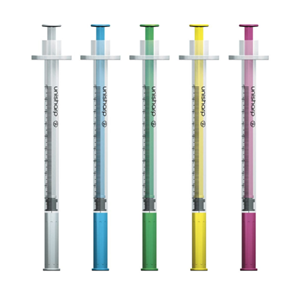
Syringes, wipes and water are different product categories. An order checklist should identify what the current listings actually state. Accessories alone cannot establish safe application or purity.
For a wider explanation of product labels and unit terms, see the Melanotan 2 preparation information.
Syringes: count and size
The syringe listing names a ten-pack, 29G gauge and a 1ml volume in its seller description. Check the individual packaging and current stock details before relying on those specifications. The count is not a dose recommendation.
Wipes: count and label
The swab listing names ten pieces and describes 70% isopropyl alcohol and a manufacturer. Those statements require confirmation on the pack; they do not guarantee the safety of a separate product.
Water: volume and documentation
The water listing names one 5ml item. Its “injectable” and container assertions need product-specific documentation. A generic water article cannot tell a reader how to use it with another item. For the wider order question, see the separate accessory specifications article.
Keep accessory counts, dimensions and composition apart
A mixed accessory record contains different kinds of number. A count, a dimension and a composition statement need their own objects and sources. Keeping them in separate fields prevents an exact-looking numeral from changing meaning as it moves between descriptions. The examples below are fictional and supply no procedure or compatibility advice.
Keep count, dimension and composition in separate fields
Attach each figure to the property it describes. A pack count identifies how many named objects are stated. A dimension describes a different attribute, while a composition statement concerns material. The figures cannot be compared or substituted merely because all appear within the same accessory description.
Imagine fictional Record A naming a number of objects, Record B giving a dimension and Record C reporting a composition field. A summary that copies the numerals into one quantity column would lose their meanings. The units and reference objects belong with the values before any comparison can be understood.
The accessory-only package explanation addresses the purchase boundary around those fields. First establish which objects the selected offer says are included. Then retain each object’s specification separately. A field describing an accessory does not establish that a principal item is supplied or that every object in a photograph belongs to the pack.
An abbreviated title may omit detail that the full description supplies. That omission should not be filled from a different item solely because its numeral looks familiar. A complete-looking record assembled from unrelated specifications would be more misleading than an explicit note identifying the missing field.
Keep the original stated specifications above attributed to their listings. The fictional field examples do not update a manufacturer record, confirm current stock or certify the objects. Their purpose is to show why different measurement types remain separate even within a single commercial inventory.
Do not fill a missing field from another item’s label
A missing specification needs a matching source. Another item’s label can explain that other item while remaining unable to complete the selected record. Similar packaging, a shared short name or a matching count does not establish the identity relationship required to transfer a specification.
Our water specification and presentation guide follows that document chain. A statement about a defined manufacturer presentation should remain attached to it. A kit or mixed-accessory description needs its own connection before the statement can be applied to an included item with a similar category name.
For a fictional example, an accessory list omits a material field while a separate catalogue item provides one. The second record can be accurately described, but its field should not be copied into the first without a documented match. The fact that the source is genuine does not establish that it addresses the same supplied object.
Versions need to remain visible too. A later label can differ from an earlier description without showing which presentation belongs to a particular order. Record the version and relevant date rather than choosing the most detailed statement. More information is useful only when its connection to the selected subject is clear.
A clarification should update the exact field it resolves. Confirmation of an accessory count does not establish its material. A matching material statement does not confirm a composition claim about a different object. Narrow answers should remain narrow instead of becoming a general assurance about the entire package.
Record an accessory inventory without inventing compatibility
An inventory records the objects and fields a description states. It does not establish that those objects are compatible or form an assessed procedure. The presence of several categories in one list should not be interpreted as instructions to combine them, and a neat table does not create the missing product-specific evidence.
Imagine a fictional bundle naming three different accessory types. The list can support a commercial statement about inclusions while leaving relationships between the objects unspecified. Reordering the rows cannot establish an appropriate sequence, and multiplying a count cannot establish an individual-use quantity.
The same limit applies to words such as essential or complete. They may express a seller’s description of the bundle rather than a verified assessment of every possible requirement. A precise item question can be clarified without accepting that wider implication or turning the answer into a personal recommendation.
Where a medical question arises, the relevant clinical circumstances and exact product information matter. An accessory specification is not a substitute for that assessment. An order-description question should instead identify the selected item and disputed field so that a commercial answer can remain attached to its actual subject.
The final record should retain object, quantity type, unit, source and any unresolved specification. It can make a mixed inventory understandable without inventing compatibility, preparation or a course of use. The benefit of the separate fields is that the reader can see exactly what each statement establishes and what it leaves open.
A change to one figure should be checked at its own level. A revised number of packs does not establish a revised dimension for each accessory. A corrected dimension does not identify a different composition. The separate fields make the correction easier to understand while preventing an unrelated specification from changing through assumption.
References checked: 15 November 2026.