
Checking Melanotan 2 Supplier Claims
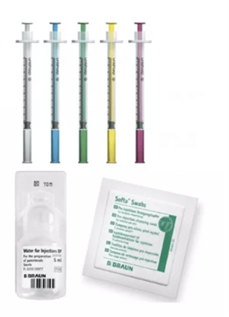
Supplier pages can mix dispatch details, product specifications and promises about appearance in the same paragraph. Each type of statement calls for different evidence. This guide gives readers a way to examine those claims without treating a polished website, a testimonial or a “premium” label as proof of medical quality.
Identify the claim before following a link
A seller can state its delivery terms, the format advertised and what a listing says is in a package. Those are descriptions of its own service or offer. Claims about the identity, quality or contents of a substance require independent evidence about the specific product. Claims about predictable tanning results require evidence about that outcome. A link to a general explanation of peptides does not establish either point.
Read the original citation and check whether it concerns the same format and claim. The source-evaluation guide explains how to distinguish a sales description, personal account and primary health source.
Do not turn popularity into proof
Customer reviews may be useful for a reported delivery experience. They cannot establish general safety or a consistent appearance outcome. Likewise, the phrases “best experience” and “premium quality” are not tests. Ask what standard is being invoked and where the supporting results can be checked.
Cancer Research UK says Melanotan products have not been tested for safety, quality or effectiveness and advises against using nasal or injection forms. Its guidance also states that a tan does not protect skin from UV radiation. A supplier’s claim about a quick glow cannot override those evidence limits.
Read the UK regulatory context
The MHRA’s Melanotan II response classifies injectable and pen products as medicines and says unauthorised products lack safeguards meeting its quality, safety and effectiveness standards. It also discusses restrictions on the sale, supply and advertising of unauthorised medicines. A business’s handling procedures or customer service do not settle those questions.
For specific health or side-effect concerns, speak to a qualified clinician. This article is a checklist for reading claims, not a set of use instructions. The science and risks guide provides wider context.