
Two Melanotan 2 Nasal Spray Kits: Bundle Check
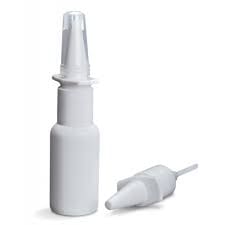
Two nasal spray kits may be a convenient purchasing unit, but pack count is not evidence of a faster, safer or deeper tan.
Count the components
Check the current listing for the number of bottles, any vials and the stated contents of each kit. A two-kit image may not show every item accurately.
Do not multiply a result
Doubling a bundle does not double a measured outcome. A claim about speed or duration needs a defined product, baseline and follow-up.
Read independent guidance
Cancer Research UK cautions against marketed Melanotan nasal sprays. The NHS advises that a tan does not protect against harmful sunlight.
Two complete kits are not necessarily the same as two bottles. The offer should name what is inside each unit and whether the second unit repeats all the components of the first. If a product page changes, the blog should send readers to the current listing rather than repeat old assumptions. Avoid using a bundle discount as a reason to imply better tanning outcomes.
The nasal-kit listing describes available bundle sizes. Further reading: nasal-kit listings and declared contents, Cancer Research UK and NHS sun safety.
Reconcile a two-kit bundle without assuming duplication
Two kits describe a package count only after the contents of one kit and the scope of any shared items are clear. A useful bundle comparison therefore separates per-kit entries from package-level entries. The arithmetic in this section is deliberately fictional and concerns inventory alone; it does not describe a treatment quantity, a current price or an expected result.
Distinguish per-kit items from shared package items
Start with the level at which a component is listed. Wording such as included with each kit differs from included with the bundle. If a shared accessory appears once in a package-level description, multiplying the kit count does not automatically multiply that accessory. The description needs to specify whether the component repeats with every unit.
For a fictional bundle containing two identical component groups and one shared information card, the groups repeat while the card does not. Counting everything twice would produce an incorrect inventory even though the calculation itself is simple. The mistake is at the classification stage: the card was assigned to the wrong level of the package.
The reverse mistake is possible too. A component explicitly listed per kit should not be reduced to one merely because a photograph shows one example. The picture may represent the grouping rather than the full contents. Keep the quantity language from the item list beside the object name so the image does not silently change its scope.
Our single-kit bottle and vial explanation establishes the object names before they are counted. Two kits are not necessarily two bottles, and a bottle count cannot identify the contents of another container. A clear inventory uses one stable name for each object and distinguishes a container description from a formulation statement.
Where the scope is not stated, write per-kit or per-bundle unknown rather than choose the more generous interpretation. That small qualification prevents an assumption from becoming the basis of later price or shortage claims. It also identifies a specific question that can be answered, instead of leaving a broad impression that the whole bundle is unclear.
Reconcile a hypothetical two-kit inventory
Consider a purely illustrative kit description with one container A and two separately named accessories B. If the package explicitly repeats that complete kit twice, the described totals are two A containers and four B accessories. These fictional letters do not stand for a recommended product combination; they show how component units are preserved during multiplication.
Now suppose one additional C item is named for the whole package. The package-level total for C remains one in that description. It is not included in the per-kit multiplication. A component record with separate columns for object, count and scope makes the distinction visible without changing any quantity supplied by the original description.
Check totals by returning to the same source statement. A calculation based on a different kit version may look internally correct while describing the wrong package. Arithmetic cannot compensate for an identity mismatch. Both the repeated group and the shared entries must come from the selected bundle’s stated inventory before the totals can be meaningfully compared.
Do not transfer the resulting count into a claim about speed, duration or strength. Component multiplication concerns what is described as supplied. It does not multiply a biological outcome, establish compatibility or verify contents. The original distinction between inventory and health evidence remains necessary even when every arithmetic total has been reconciled.
A useful result preserves the original numbers and explains their level. For example, it can state two repeated groups plus one package-level entry, with the corresponding component counts. If an entry has no stated scope, keep it outside the confirmed total rather than assign it a convenient value and present the result as complete.
Keep a bundle revision separate from a missing component
Descriptions can change between versions of a bundle. A later item list might move an accessory from per-kit to package-level wording or change the repeated group. That is a change in the record being compared. It should not automatically be interpreted as evidence that an earlier package was incomplete or that a current package contains extra items.
Compare a dated order description with the version relevant to that order. A current category page describes the current range and may not reproduce an earlier selection. Preserving both dates and identifiers helps distinguish a genuine discrepancy from a comparison of different offers. Neither a remembered picture nor a generic kit name is enough to resolve that distinction.
If a question remains, describe the component and the conflicting statements precisely. A note saying one source names an item per kit while another names it per bundle identifies the actual uncertainty. A broad phrase such as missing half the kit may imply a conclusion that the available records have not yet established.
The same discipline applies to exclusions. An exclusion stated for one version should not be copied into another version without support, while an omitted accessory should not be assumed present because it appears in a neighbouring offer. The purpose is to reconcile the descriptions, not to manufacture a complete-looking inventory from several different listings.
Once the scope and version are clear, a two-kit comparison becomes a straightforward inventory question. It still does not provide evidence of product quality, suitability or a predictable appearance change. Keeping those questions separate allows the practical description to be accurate without allowing package arithmetic to carry a health or performance assurance.
References checked: 14 November 2026.