
Exfoliation Before Sun Exposure: What It Cannot Do
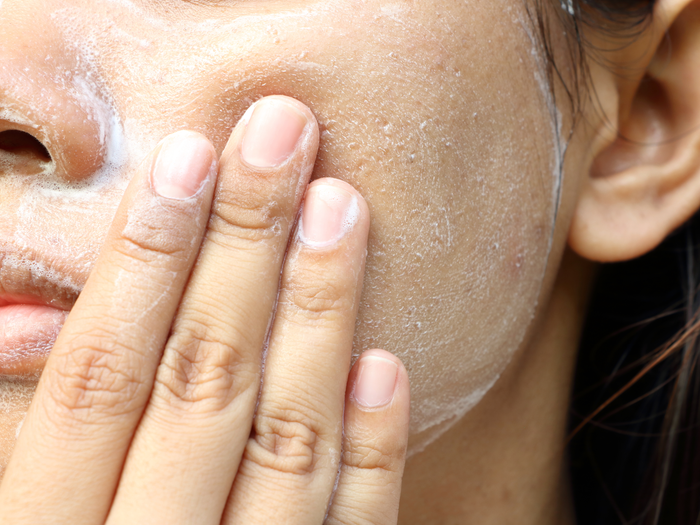
Exfoliation removes some surface skin cells and may change how skin feels or how a topical cosmetic is applied. It does not make intentional sunbathing healthier, turn UV radiation into a skincare treatment or replace sun protection.
A cosmetic step has a limited purpose
People may choose gentle exfoliation as part of their usual skincare. Whether it suits sensitive or irritated skin depends on the product and the person. An even-looking application of a topical fake tan is a cosmetic question, separate from whether UV exposure damages skin.
Why “prepare skin for the sun” misleads
Removing surface cells does not create a protective barrier against ultraviolet radiation. A claim that exfoliation helps skin “absorb the benefits of the sun” confuses a cosmetic routine with health evidence. It should not be used as a reason to increase time in sunlight.
Keep protection in the plan
NHS sun-safety guidance recommends shade, clothing and sunscreen when appropriate, and says a tan does not protect the skin. Cancer Research UK describes fake tan as a safer appearance option than UV tanning. Read the chosen skincare product’s label and avoid applying it to irritated skin.
For the broader choice between UV exposure and a cosmetic look, see our tanning alternatives article.
Keep a skin-texture observation within its cosmetic endpoint
A texture observation can be useful without answering a protection question. How a cosmetic finish looks or how skin feels concerns the endpoint actually described. Moving from that observation to a conclusion about UV requires different evidence. The following distinctions keep an appearance comparison within its subject rather than turning it into a reason to prepare for intentional sunbathing.
Describe the texture endpoint without enlarging it
Identify the observation before interpreting its significance. Smooth-looking in a photograph, described as smoother by the person and measured for a particular surface property are different statements. The same adjective can appear in all three while referring to different evidence. The account should say which one it actually contains rather than treating the word as a complete measurement.
For an illustrative cosmetic comparison, an earlier image may show a product under one light and a later image under another. A viewer might prefer the later finish, but the image pair does not independently explain the difference. The description should retain the viewing conditions and the nature of the judgement before assigning the appearance to one product or action.
The area observed also matters. A close view of one patch does not describe every part of the person’s skin. A statement about one visible finish should remain attached to that view rather than becoming a universal claim of evenness or improved skin condition. A carefully limited observation is more informative than a broad conclusion the frame cannot establish.
An attributed sensation has a different boundary. Someone may accurately report that their skin feels smoother to them. That is their observation of a sensation in those circumstances. It should not silently become a measured biological benefit, a finding about another person’s likely experience or evidence that exposure to UV would have a different effect.
If the purpose of the comparison changes, record the change. A picture selected to illustrate cosmetic coverage does not necessarily assess comfort, and a personal comfort account does not measure protection. The reader should be able to follow the actual endpoint across the explanation without a reassuring adjective carrying findings between unrelated subjects.
Do not borrow protection evidence from a different product
A cosmetic product and a separately identified sunscreen have different stated purposes unless the particular formulation explicitly carries both claims. Evidence attached to one product should not be borrowed for another because the containers look similar or the products appear together. The relevant record needs to match the formulation and property being discussed.
The moisturising-label explanation develops that distinction for another common skincare description. Moisturising language and a sunscreen claim should be read as separate properties of the named formulation. A general texture account cannot supply an unstated protection label, and a neighbouring product’s description cannot complete information absent from the product actually being considered.
For a fictional label comparison, one record states a cosmetic purpose while another includes a specific protection statement. The comparison can describe those different claims. It should not assume that the first product shares the second property’s evidence, nor that the second product makes every broader reassurance a seller places around it. Keep the exact subject and claim visible.
A shared ingredient word does not, by itself, establish identical formulations or outcomes. A listing may identify one component without supplying the assessment relevant to the completed product. The reader should not infer a protection result from that fragment of information. An incomplete formulation record and a product-specific finding are different types of evidence.
Where the claimed property is not stated, retain the absence. A request for the relevant product information can clarify what the manufacturer or seller actually asserts. It does not require inventing a skincare procedure or estimating what a person should do before sun exposure. A commercial clarification should remain a clarification of the particular description.
Keep a cosmetic comparison outside a sun-exposure recommendation
A preferred cosmetic result does not establish an exposure recommendation. The observation may concern appearance, feel or an attributed preference. None of those observations independently supplies a personal period in sunlight or changes the purpose of public-health advice about UV. The article can explain the difference without turning an appearance aim into an exposure plan.
The hazard-and-assurance explanation shows why a favourable statement about one condition should not become a conclusion about every associated risk. The same reading discipline applies here. A texture result should remain useful for its stated cosmetic question while the separate radiation question is assessed through information relevant to radiation.
The NHS sun-safety information addresses protection independently of a surface appearance claim. A smoother-looking finish is not a measurement of the UV reaching skin. The protection question should therefore retain the appropriate source and conditions rather than being closed by a cosmetic photograph, a preferred texture or the timing of a skincare activity.
The sequence of events is not enough to establish a benefit. A narrative may describe a cosmetic step followed by time outdoors and then a preferred image. That order does not independently show which factor explains the appearance or that the exposure was appropriate. Preserve the observations without turning the sequence into a recommendation for another reader.
The finished comparison should state the texture endpoint, the subject observed and the source of any separate product claim. It should retain uncertainty about causes and personal implications where the record does not establish them. That keeps the explanation useful without supplying an exfoliation technique, a treatment regimen or a claimed method of making intentional UV tanning healthier.
References checked: 15 November 2026.