
Empty Nasal Spray Bottle: Product Versus Container
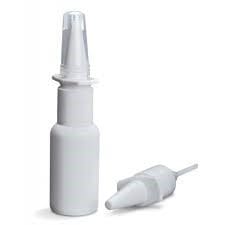
An empty bottle is an accessory. A product listing should say clearly whether it contains only the container or additional parts; a photograph of a spray format does not establish its contents.
The empty nasal spray bottle listing describes a container sold separately from a complete kit. Compare its stated contents with the item you are ordering.
What the bottle label can specify
Look for declared capacity, bottle material, cap or nozzle type and pack quantity. These are physical specifications. They do not verify sterility after opening or suitability for any particular substance.
Do not confuse a container with a medicine
A blank bottle cannot make a peptide safe, effective or appropriately formulated for nasal delivery. The MHRA explains that classification and claims matter, while Cancer Research UK cautions about marketed Melanotan sprays.
Compare current listings
The nasal-kit category is a separate listing type that may show bottles and other items. Check its current itemised contents rather than assuming an empty bottle includes a vial or a ready-made spray.
Further reading: nasal-kit category, MHRA response, Cancer Research UK.
Read an empty bottle without inventing a contents history
A container can be clearly described while its contents remain unspecified. Its material, presentation and identity concern the physical object; an account of what a particular item contains or has contained requires separate information. Recognising a familiar spray format should not supply that missing history or turn an accessory description into a record for another product.
Keep the container record separate from the contents record
Name the subject of each statement. A bottle specification describes the container, while a contents statement describes material associated with a particular item. A kit description concerns a broader selected order. The same image may appear near all three, but their proximity does not make them interchangeable sources of information about one another.
Consider a fictional comparison between a container listing and a photograph of a similar bottle carrying a product label. The listing can identify the empty object it offers. The photograph can show what was pictured. Neither establishes that the particular empty item has the same contents, formulation or history as the labelled object in the separate image.
A declared capacity is another physical field, not a statement of the material currently present. The distinction remains even when the figure is prominent. A reader should not convert that specification into a supplied quantity of another substance or use it to fill an unstated component in a different order description.
The surrounding words matter as much as the object name. A description may refer to a bottle, a bottle with specified parts or a wider bundle. Preserve the qualification that identifies the offered selection. Dropping it can leave a familiar noun while changing which objects the record actually says are included.
Where the description is incomplete, ask which object the seller’s statement concerns. A clarification can identify the presentation or list the supplied parts. It does not need to become a filling method or an assurance about a substance the listing has not identified. Keep the commercial answer within the question it actually resolves.
Recognise a similar presentation without assuming a shared history
Similar presentation is a reason to check identity, rather than proof that two items share a history. A matching colour, nozzle shape or general silhouette can occur in different contexts. The useful comparison retains the identifier and source of each description before treating the objects as though they are the same named presentation.
An old photograph and a current catalogue record also describe different moments. The image may show a previously marketed arrangement, while the listing identifies the selection currently being read. A recent page date does not establish when the photographed object was supplied or what a particular item has contained. Keep those unknowns separate from the current description.
An attributed account may add information about one identified object, but it should retain that subject. A statement about a photographed example should not silently become the history of every similar-looking container. Likewise, an unexplained gap in an item’s history should remain a gap rather than being replaced by a reassuring generic description of the product category.
Condition and contents should also stay in separate fields. A statement describing the appearance of a container does not establish the identity of material associated with it. A contents declaration does not, on its own, describe every aspect of the container’s condition. Each account needs the source and boundary relevant to the particular property being discussed.
This distinction does not require inventing an alternative story about the item. The purpose is to identify what the available record establishes and what it leaves unanswered. An incomplete connection should not become a claim that the object definitely has a different history. Both unwarranted reassurance and unwarranted certainty about an unknown history exceed the description.
Use the appropriate catalogue for the object described
Choose the catalogue route that matches the object in the question. An accessory-only listing identifies a container or other separately supplied item. A nasal-kit listing concerns a named bundle with its own component declarations. The route helps locate information, but a category title should not complete inclusions or specifications that the selected listing does not state.
The separately listed accessories explanation gives that commercial context. It distinguishes a named accessory from a complete kit or a vial selection. It is a way to find the relevant product record, rather than evidence that every catalogue item has a shared formulation, compatible purpose or independently established condition.
The two-kit convenience-claim explanation addresses another possible confusion. A grouped order or recognisable spray presentation does not establish how convenient an unspecified task would be. Identifying the physical container is useful, but it does not complete an account of effort, absorption, appearance or any other outcome mentioned in surrounding marketing.
If a seller clarifies the parts included in an empty-container selection, retain the reference and version covered by the answer. It should not overwrite the contents description of a different kit or convert an older photograph into a current stock record. A precise commercial clarification can resolve one field while leaving other questions outside its scope.
The finished comparison should therefore identify the container, the offered selection and the source of any separate contents statement. It can explain a catalogue difference without supplying a filling, cleaning or reuse procedure. A physical bottle description cannot replace evidence about another material or an individual assessment of a proposed use.
References checked: 15 November 2026.