
Melanotan 2 Vial Quality Claims
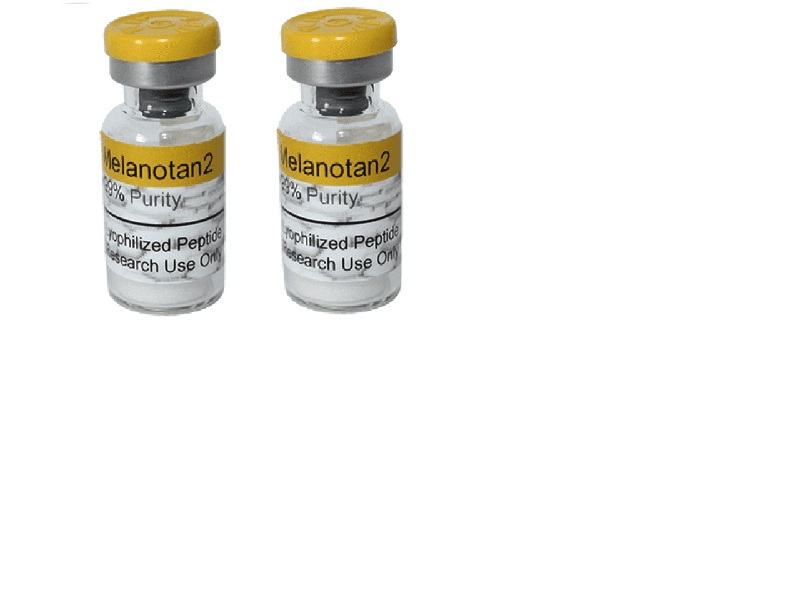
 The word “premium” may describe a seller’s positioning, but it does not establish what is in a vial. Claims about purity, potency and tanning results need evidence that matches the specific product and outcome.
What the listing can show
The vial catalogue distinguishes single and multi-vial packages and their stated amounts. A product article can also show whether water and other items are included. Those are listing details, not measurements of composition.
What a quality assertion would need
“High purity”, “consistent strength” and “lab tested” are testable claims. Assessing them would require a credible, relevant record for the actual batch and a method that says what was measured. A generic statement about every brand or repeated customer purchases is not that evidence. The MHRA notes that unauthorised Melanotan II products may have unknown contents and lack safeguards associated with authorised medicines.
Results are another question
Even a description of a specific batch would not demonstrate a predictable skin colour, a safe use schedule or UV protection. See the site’s science and risks article and MHRA response for the distinction between product claims and evidence.
Follow the vial-quality claim back to its tested sample
A useful quality statement explains what was tested and what the result means. A document headed laboratory report is not self-explanatory: its sample, method, units and stated findings matter. The following notes show how to read those elements without treating a historical paper, a seller’s label or a generic certificate as verification of current stock.
Keep the sample identity attached to the document
Start by identifying the material the report actually describes. A sample code, named product, date and laboratory reference can help locate the record, but the relationship between that sample and a particular listed item still needs to be explained. Similar packaging or the repeated use of a familiar compound name does not establish the connection.
A report can also concern a sample supplied under a particular description without proving every statement made elsewhere about it. Keep the laboratory’s findings separate from the seller’s interpretation. If the document addresses one submitted sample, its conclusion should not silently become a statement about every vial, every later batch or every product on a website.
When a claim is presented as a cropped image, identify what information is missing from the complete record. The title alone may not show the sample, method, limitations or result units. A reader should be able to distinguish the report’s actual finding from a caption that goes beyond it. Missing information should remain an unresolved part of the claim.
Dates need their own labels. A report date, a production date and the date a webpage was updated describe different events. A newly uploaded document is not necessarily a newly tested sample, and a recent webpage date does not establish a connection to the items currently listed. Read each date for the event it identifies. If the record does not explain how the tested material relates to a current batch, the apparent freshness of the webpage cannot supply that missing relationship.
Read the historical online-vial findings with their limits
A study published by Breindahl and colleagues in 2015 examined Melanotan II vials purchased from three online shops. The abstract describes chromatography and mass-spectrometric methods used to examine identity, quantity and purity. The measured peptide amounts ranged from 4.32 to 8.84 mg despite the stated 10 mg contents; unknown impurities were reported in samples from two shops.
These findings concern the historical samples in that investigation. They are not an analysis of current M2UK stock or a measurement of every product sold later. The example shows why a labelled amount and a measured amount are separate information. It should not be used to invent an impurity figure, a safety result or a batch certificate for another item.
The question being asked also matters when the figures are repeated. An amount in milligrams and a percentage describing impurities are different measurements. Neither is a percentage likelihood of a health event. Preserve the measurement label and the tested material rather than presenting every number in the abstract as though it answered the same question.
A composition result does not answer every quality question
Identity, measured quantity and detected impurities describe different aspects of composition. A statement that a substance was identified does not, on its own, establish the amount present. A quantity result does not explain every other material in the sample. Read the method and finding together before turning one measurement into a broader description of quality.
The same boundary applies when moving from composition to other questions. A measurement aimed at identity or contents does not automatically assess sterility, stability under unspecified conditions or an effect in people. A record should remain attached to the question its method addresses. The absence of a result for another question should not be interpreted as a favourable finding.
The format-effectiveness comparison guide addresses a related reading problem. Product information, a delivery claim and an observed response are different records. A composition number should not be reused as a percentage ranking of formats, and a route label should not be treated as independent evidence about a sample’s composition.
State what the record supports and leave the rest open
Words such as premium, consistent and tested need an explanation of the attribute being asserted. Consistent could refer to packaging, labelled quantities or repeated analytical findings. Those meanings are different. A claim becomes more useful when it names the attribute and relevant evidence instead of asking a single adjective to stand for every aspect of a product.
A report about a sample should also remain separate from a claim about a person’s outcome. Our review of non-tanning outcomes illustrates why a measured biological response does not establish a general benefit. The inference cannot be reversed: a composition record cannot promise an individual response merely because the compound has appeared in a clinical paper.
A clear summary names the tested sample, the measurement, the reported finding and the limits of applying it elsewhere. It does not fill an uncertain sample relationship with a photograph, customer review or assumption about a familiar brand name. The vial catalogue linked earlier describes the listed range; this article explains evidence boundaries and does not authenticate a batch, certify a product or recommend a purchase.
References checked: 13 November 2026.