Melanotan 2 Radiance Claims: Checking Dates and Evidence
“Effortless radiance” is a broad description of appearance. It does not define an outcome that can be measured, and a page headed with an old year can make an unreviewed assertion look like a current finding. Use the date and the original source to work out exactly what a claim supports.
Check when and what a source studied
A publication date alone does not make a source wrong. It tells you when to check whether guidance has since been revised and whether the cited material addresses the same product form and outcome. A dated trend prediction about “intelligent tanning” is not a clinical study. If a page promises a quick, long-lasting or even shade, look for the measured endpoint, the participants, the time period and any account of variation.
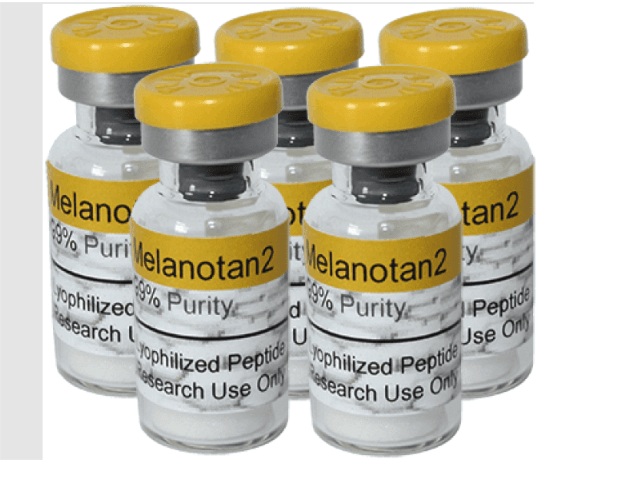
Cancer Research UK explains that Melanotan II can stimulate pigment cells and darken skin. That is more specific than “radiance”, but it is not a guarantee of a personal result. Its guidance warns against Melanotan nasal sprays and injections and says products have not been tested for safety, quality or effectiveness.
Do not let a lifestyle term become health advice
Descriptions such as “glow”, “confidence” or “sun-kissed” concern perception. They do not establish protection from UV radiation or remove the need for sun safety. Cancer Research UK states that a tan does not protect skin from UV. The skin and UV article separates pigmentation from protection.
The MHRA response on Melanotan II describes the UK medicine classification of injectable and pen forms and the absence of regulatory safeguards for unauthorised products. Read the source-checking guide for a repeatable way to evaluate an older article. This page updates a dated marketing theme without suggesting a use routine.