
Melanotan 2 Marketing Terms: A Reader’s Glossary
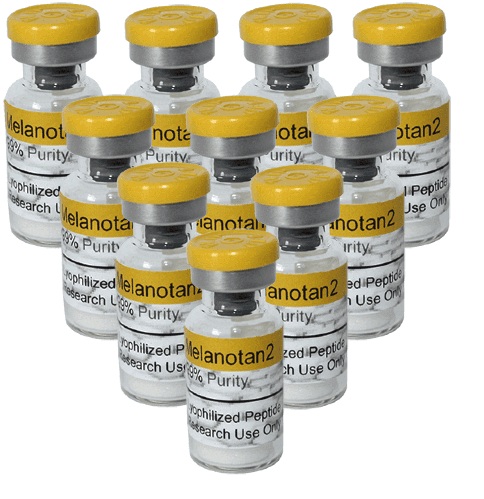
Melanotan 2 articles often use appealing words in place of a defined result. This short glossary helps readers identify what a term describes and what it cannot establish. It is a way to read a claim, not a recommendation to start a tanning routine.
“Sun-kissed”
This describes an appearance, not the amount of UV exposure someone has had or the way a look was created. A picture labelled “sun-kissed” may involve lighting, cosmetics and outdoor time. Cancer Research UK states that a tan does not protect skin from UV radiation, so this label should not imply protection.
“Natural-looking”
This is a personal judgement about shade and evenness. It does not promise that Melanotan 2 will produce the same result for another person. A specific outcome claim would need a defined measure, an identified product and evidence that covers individual variation. The sunless-glow article explains the terminology and its limits.
“Premium” or “quality tested”
These words need a stated standard and results tied to the actual product or batch. They do not establish authorisation or medical safety. The MHRA’s Melanotan II response says injectable and pen products are medicines in the UK and that unauthorised products lack safeguards demonstrating quality, safety and effectiveness. The quality-claim guide explains what to verify.
“Smart”, “effortless” or “best results”
These are impressions unless a result, a comparator and a source are named. Cancer Research UK says Melanotan products have not been tested for safety, quality or effectiveness and advises against nasal sprays and injections. The source-evaluation guide offers a method for checking a specific statement.
Do not mistake this glossary for a set of product instructions. When a claim concerns a personal health issue, a qualified health professional is the appropriate source of individual advice.
Read the connecting words in a product claim
The largest change in a claim can happen in a small connecting phrase. Research, may and as seen in can appear beside a product name without showing the reasoning that joins them. This extension to the glossary follows those connections. It helps distinguish the meaning of a term from the additional conclusion a sentence asks the reader to accept.
When research becomes a claim about the item offered
Research is a description of an activity or a body of work. A claim about a currently offered item names a different subject. When a sentence moves between them, ask which evidence supports that move. A shared term or compound name does not automatically establish that the current item was the preparation examined in a cited record.
The research-history reading guide keeps dates and named preparations attached to their original records. This matters when an advertisement compresses several historical events into one reassuring phrase. A long research history can be described accurately while still leaving the identity and advertised qualities of today’s item unresolved.
Imagine a hypothetical paragraph that begins with researchers studied a compound and ends with this product delivers a result. The second statement adds both an item and an outcome. Identify the record supporting those additions. If the paragraph supplies only the earlier citation, its final promise is broader than the evidence trail it actually presents.
The phrase based on research can have the same ambiguity. It may mean that an author read a paper, that a description uses scientific vocabulary or that a particular claim was directly tested. Those meanings differ. A reader should not have to choose the strongest interpretation merely because the advertisement leaves the relationship undefined.
Read a research reference as an invitation to inspect the relevant source, rather than as a complete answer by itself. The useful connection identifies the subject, question and finding being used. Without those details, the phrase can add an impression of authority while leaving the central claim about the advertised item unsupported.
When a possibility becomes a promise in the next sentence
May describes a possibility in ordinary claim wording. Will presents a much firmer prediction. If a paragraph begins cautiously and later promises a dependable result, the strength of the statement has changed. Look for the additional evidence justifying that change rather than assuming that the first qualification governs every later sentence automatically.
A similar shift can occur between some and everyone, or between an observation and a guarantee. These are not decorative differences. They change the group or outcome being described. A source about a limited observation cannot be made universal simply by shortening its wording or placing a confident heading above the same citation.
Consider a hypothetical description saying that a format is convenient to order, followed by a statement about convenient results. Ordering and an appearance outcome are different subjects. The format-description guide explains how a factual feature can acquire an implied advantage from the words around it. The connection needs its own relevant support.
An example can also become a promise when its selection is hidden. One account may illustrate a possibility without showing how often it occurs or which observations are missing. A headline that changes an example into a general expectation adds a conclusion. The reader should be able to see where that broader expectation comes from.
Keeping the original qualification is not merely a matter of cautious tone. It preserves what the statement means. If the evidence supports only a particular setting, sample or account, that limit belongs with the conclusion. Removing it changes the proposition even when the remaining sentence sounds smoother or more persuasive.
When a familiar citation is only an indirect reference
As seen in can point to a publication, an image, a reference list or a report about a related topic. The phrase does not say which part of the source supports the product claim. Follow the reference to the relevant passage and identify its subject before interpreting a familiar publication name as an endorsement.
An indirect citation may lead to another summary rather than the original record. That second summary can be useful for locating the research, but it should not hide the extra step. Several summaries repeating the same assertion do not necessarily represent several independent observations. The underlying sources remain the records that need to be distinguished.
Suppose a hypothetical page displays a journal name without naming an article or finding. The journal reference identifies a place where research is published, not a result about the advertised item. A reader still needs the specific record and a clear explanation of how it relates to the claim printed beside the logo or phrase.
The same logic applies to quotation fragments. A short extract can accurately reproduce a few words while omitting the subject or limitation that gives them meaning. Inspect the relevant context where available. If it cannot be checked, keep that limitation visible rather than completing the quotation with assumptions drawn from the surrounding advertisement.
The glossary therefore works at two levels: what a term ordinarily describes, and what the sentence adds to it. Reading both levels makes a claim easier to assess without turning the glossary into a product recommendation. A familiar word, a cautious opening or a respected citation cannot supply a connection that the supporting record does not establish.
References checked: 14 November 2026.