
“Without the Burn” Tanning Claims and Melanotan 2
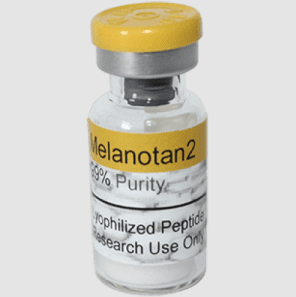
“A golden tan without the burn” can sound like a safety claim, even when it is meant as a description of appearance. It combines two different outcomes: how skin looks and whether ultraviolet exposure causes harm. They must be checked separately, especially when a description concerns Melanotan 2.
What is the comparison actually about?
Sunbathing and sunbeds expose skin to UV radiation. Topical fake or spray tans change the look of the skin without UV tanning. Melanotan nasal and injection products are a different category again. Cancer Research UK discusses these separately and says that fake or spray tans are safer options for a tanned appearance than sunbathing or sunbeds. It advises that Melanotan products are not safe to use.
Calling a substance “sunless” does not establish that it is equivalent to a topical cosmetic. If a comparison omits the product format or the outcome being measured, it is too vague to support a safety conclusion. Our format comparison explains why formats should not be ranked from their names alone.
Colour does not establish protection
Cancer Research UK states that a fake or natural tan does not protect skin from UV radiation. A darker appearance cannot be used to infer reduced burn or cancer risk. Its sun guidance describes shade, clothing and sunscreen when the sun is strong. The pigment and UV guide develops this distinction.
A photograph of a bronze result may show a colour, but it cannot measure UV exposure or a person’s medical risk. Avoid reading “without the burn” as permission to spend time in strong sun without protection.
Check health and product statements separately
The MHRA says injectable and pen products containing Melanotan II are medicines in the UK and that unauthorised products lack its standards-based safeguards for quality, safety and effectiveness. That context is not resolved by a claim of premium sourcing or a comparison with ordinary tanning.
For a personal skin concern, a qualified health professional can give individual advice. This article evaluates a slogan; it does not provide a tanning method or product-use instructions.
Ask what without the burn actually rules out
Without the burn is a negative claim: it says an event did not happen, but often leaves the event and observation undefined. A useful account identifies what was looked for, in whom and during which period. The fictional records below explain why an unrecorded outcome cannot be enlarged into a general protection assurance.
Identify the event a negative claim says did not happen
Name the event the phrase is supposed to exclude. A visible response, a report of discomfort and a later health outcome are different endpoints. A record addressing one should not be treated as if it assessed every other one. The broad word harm can conceal those distinctions rather than explain what was actually observed.
Imagine a fictional questionnaire asking whether a person noticed visible redness on one occasion. The answer describes that question and occasion. It does not establish that a medical assessment took place, identify every relevant exposure or measure all possible later outcomes. A summary should not silently upgrade the questionnaire into a comprehensive health record.
The object of the negative claim matters as well. No event was reported in the available messages is different from a defined study finding about a specified population. Messages may have been collected for another purpose. Their silence on a health question should not be described as a systematic observation of its absence.
Our sunless-exclusion explanation follows another negative statement. Excluding a named exposure and excluding an unwanted outcome are different claims. Evidence for one does not automatically establish the other, and a statement about a product format should not be used to complete the missing event definition.
The first reading should therefore preserve the exact event and subject. If neither is identified, the phrase remains too broad for a measured conclusion. That does not require inventing an adverse result; it means the available wording has not established the reassuring absence that a reader might infer from it.
Ask how the absence was observed and for how long
An absence needs a method capable of observing the event. A defined assessment, an open-ended review and a seller’s general impression do not provide the same information. The record should identify what was asked or measured before its result is repeated as an assurance about a product or person.
For a fictional example, a delivery review asks about packaging and arrival. A favourable answer may be useful for that service question while providing no systematic health follow-up. Counting such reviews as people with no unwanted effects would change both the purpose of the question and the outcome being recorded.
The observation period belongs with the absence statement. A record ending at one occasion cannot establish what happened afterwards. It should not be extended into a lasting assurance merely because no later account was collected. The end of observation and the absence of every later event are different statements.
Missing follow-up also needs to remain visible. A person who supplies no further information should not automatically be counted as a favourable outcome. Nor should a gap be filled with an assumed adverse outcome. The evidence account should distinguish the observations actually available from the people or periods that were not assessed.
A precise negative statement can remain useful within those boundaries. It may describe that a specified event was not recorded under a defined method and period. That is narrower than saying an item is harmless, but it lets the reader see what the record actually addresses rather than rely on the emotional force of without.
Keep a short-term observation separate from later outcomes
A short-term observation and a later health outcome require different supporting information. One should not be renamed the other when a result is summarised. A change in appearance cannot complete the missing follow-up, and the absence of a reported event at one occasion does not measure the person’s condition at every later occasion.
The NHS sun-safety guidance keeps a tan separate from protection against harmful sunlight. That context should not be replaced with an inference from a photograph or a brief account. The purpose of the source is sun safety, not certification that a particular marketed appearance product avoids all unwanted effects.
Imagine a fictional caption saying that a person liked the result and did not mention discomfort. Both parts can remain attributed to the account. A further statement that the method prevents future damage would introduce an endpoint the caption did not measure. It needs its own relevant evidence rather than a more confident paraphrase.
Do not use uncertainty about one option as proof that another option has been assessed appropriately. A comparison needs evidence for each defined category and outcome. An unsupported ranking does not become reliable merely because the desired appearance is similar or the second method is described with a gentler-sounding word.
The final interpretation should state the event, method, population and observation boundary. It can explain why a universal assurance remains unestablished without supplying a tanning routine or a personal risk estimate. That keeps the slogan’s implied promise separate from the limited observations that may actually be available.
References checked: 15 November 2026.