Melanotan 2 and the “Flawless Tan” Claim
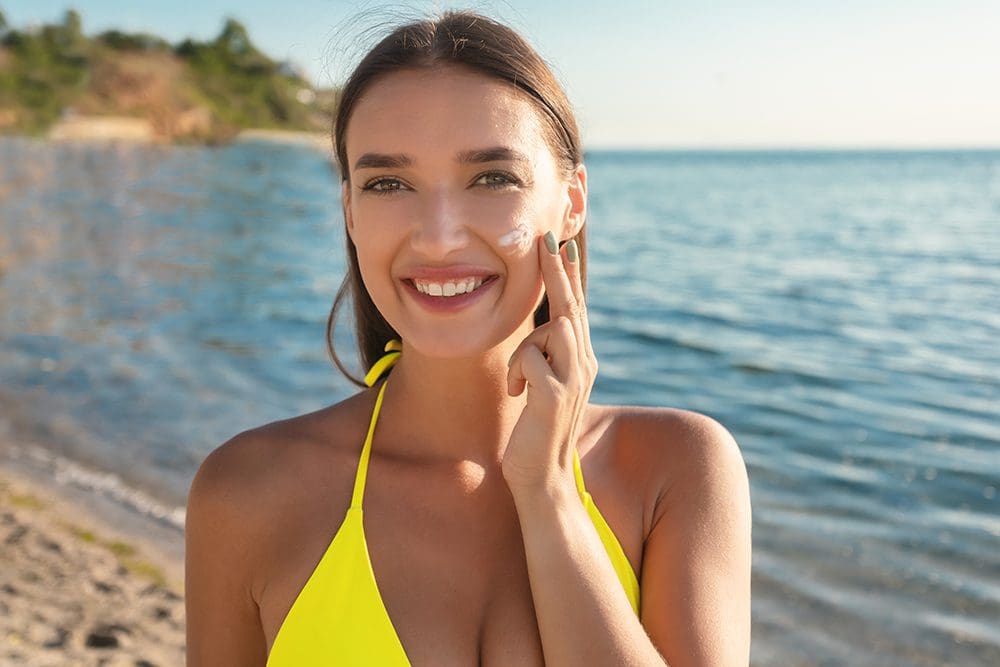
“Flawless tan” is a marketing description of appearance, not a measurable health outcome. A photograph or testimonial can show what one person says happened, but it cannot promise an even shade for everyone or show that sun exposure is safe. This article explains the distinction behind that phrase.
An appearance claim needs a clear measure
Descriptions such as “natural-looking”, “even” and “long-lasting” depend on the person, lighting and the meaning given to each word. If a listing promises a particular outcome, ask how it was measured and whether the evidence concerns the exact product. A before-and-after photograph by itself cannot separate a product’s effect from sun exposure, cosmetic tanning or camera conditions.
Cancer Research UK explains that Melanotan II can stimulate pigment cells and make skin look darker. This general explanation does not establish a guaranteed shade or a uniform response. Our guide to reading injection listings separates package details from result claims.
Colour is not protection
A promise of “flawless” skin can imply something about skin health even when it describes only appearance. Cancer Research UK says a tan does not protect skin from UV radiation. The pigment and UV article explains why a colour change cannot substitute for evidence about sun damage.
Cosmetic fake tans and Melanotan products are different. Cancer Research UK discusses topical fake or spray tans separately and advises that Melanotan nasal and injection products are not safe to use. The shared aim of a tanned appearance should not be used to transfer the safety evidence from one type to the other.
Compare claims, not slogans
The MHRA notes that injectable and pen products containing Melanotan II are classified as medicines and that unauthorised products lack its quality, safety and effectiveness safeguards. A convenient format or appealing result claim does not resolve those points.
When comparing tanning descriptions, identify the exact claim: appearance, product quality, UV exposure or medical safety. Each calls for different evidence. The science and risks guide provides wider context.