
Melanotan 2 10mg Vial: Safety and Regulation
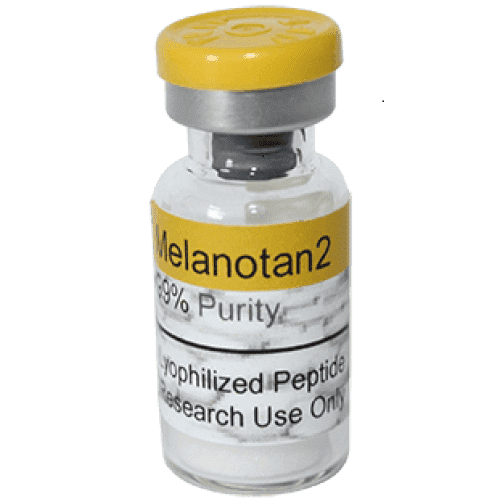
A single vial described as 10mg gives a container count and a stated amount. Those fields do not identify a regulatory authorisation, establish a laboratory result or show that a preparation is suitable for personal use. A careful safety discussion needs to distinguish the product description from each of those separate questions.
The M2UK single-vial listing is the commercial record referred to here. Its declarations are not treated as independent verification. For the format and accessory exclusions, see the single-vial format guide. The following sections focus on how to read safety, research and regulatory statements without extending them beyond their subjects.
Identify which preparation a statement concerns
The same compound name can appear in research, a retailer’s title and an account of someone’s experience. That overlap does not establish that the materials or questions are the same. Identify the preparation and the conclusion in the source before applying it to a product described somewhere else.
The Melanotan 2 definition explains the substance terminology. A terminology page is different from a record identifying a supplied vial. A biological explanation should not silently become an assessment of that item, even when the scientific name is familiar.
| Statement type | Identify its subject | Keep this separate |
|---|---|---|
| Product description | Exact listing, version and declared fields | Independent confirmation of its contents |
| Research finding | Studied preparation and assessed outcome | A different retail item or personal result |
| Analytical report | Named sample, issuer and stated scope | Claims the document does not assess |
| Official statement | Product form, claims, place and date | A blanket conclusion about every similarly named item |
A useful question is therefore not merely whether a source mentions Melanotan. It is whether the source identifies the preparation and outcome relevant to the claim being made. Without that connection, a detailed explanation may still leave the item-specific question unanswered.
Distinguish a public-health warning from an item-specific result
Cancer Research UK advises against Melanotan injections and nasal sprays. This warning should be read directly. A product’s small pack size, a reassuring description or an attractive image does not resolve it.
At the same time, a general warning is not a laboratory report identifying the contents of a particular delivered vial. Keep the type of source clear. A health warning and an analytical document may both be relevant, but they answer different questions and should not be presented as interchangeable records.
A report about one property also does not establish every other property. Identity, amount, purity, sterility and a clinical outcome are separate subjects. A document needs to support the conclusion attributed to it; the appearance of a laboratory logo is not a substitute for reading its actual scope.
For a personal health concern, seek advice from an appropriately qualified healthcare professional. A catalogue entry or an explanation of how to read evidence cannot supply an individual assessment. The stated 10mg amount should not be interpreted as a dose or a personal-use recommendation.
Do not turn missing information into a universal testing claim
If a web page supplies no relevant report, the defensible observation is that the page does not supply that evidence. It does not follow that no laboratory has ever examined any material with the same compound name. A claim about the complete history of testing would need evidence covering that much wider subject.
The reverse mistake is to assume that one published report verifies every product or vial bearing the name. Ask which sample the report identifies, which question it assesses and what connects it to the item being discussed. Leave a missing connection explicit rather than filling it with a shared brand or pack description.
For example, a hypothetical seller might display a document naming sample A while a discussion refers to item B. The document can be read for A without silently being rewritten as a finding about B. Even a genuine document does not create the unprovided link between those subjects.
This distinction avoids two unsupported conclusions: that nothing relevant could ever have been tested, or that a test mentioned somewhere settles every question about a current offer. A precise account names the available record and the limit of the conclusion it supports.
Keep UK regulatory wording specific to the form and claims
In a 1 December 2025 government answer, injectable Melanotan products and nasal presentations without medicinal claims are classified differently. Read the answer with those qualifications intact; it is not a declaration that a particular retail offer is approved or safe.
The Commons committee report published on 4 November 2026 also discusses nasal tanning products and regulatory gaps. It is a committee report containing recommendations to government. A recommendation should not be reported as if a new rule has already taken effect.
When checking an official statement, retain the named product form, the claims considered, the relevant jurisdiction and the date. Do not shorten an account concerning injectable products into a statement about every preparation sold under a similar name worldwide. Equally, a classification distinction does not establish an exemption from every other requirement.
A website notice, a pack label and a regulatory authorisation are different records. None should be substituted for another merely because they appear on the same page. A specific regulatory question needs the actual item and claims identified; a general article cannot decide the status of an unspecified offer.
Use the right record for the question you still have
The vial-pack catalogue identifies advertised formats. A supporting source may explain research, a label term or a health warning. Keep those roles clear when comparing information. Several pages repeating one declaration do not become several independent confirmations.
For an enquiry to M2UK, identify the exact listing, the field that needs clarification and whether the question concerns a current offer or an existing order. Keep any reply beside that record. A response about packaging or an inclusion should not be expanded into a medical or regulatory assurance it does not provide.
The NHS sun-safety guidance remains relevant regardless of a claimed colour change. A tan does not replace UV precautions. Neither the single-vial title nor a discussion of records supplies an exposure allowance or a personal-use plan.
Listing and linked references checked: 19 November 2026. This guide contains no preparation, dosing or administration instructions.