
MT2 Nasal Kit: Reading the Needle-Free Claim
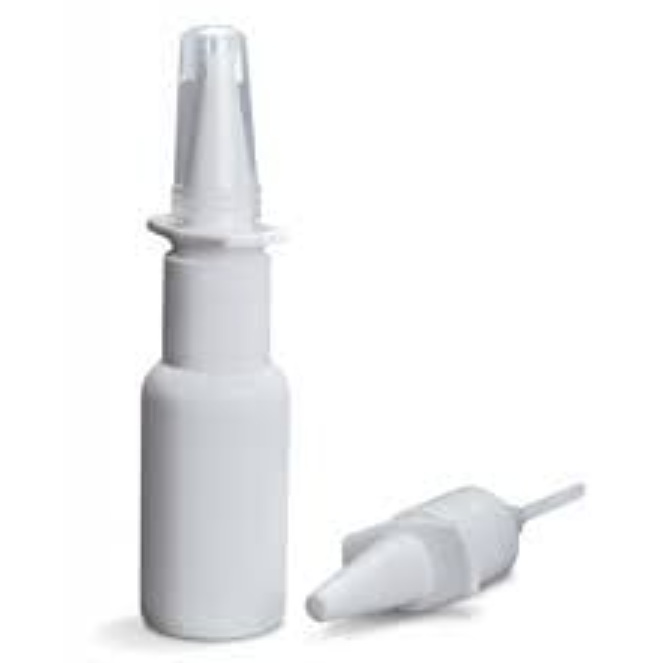
 “Needle-free” in a nasal-kit headline describes the proposed delivery format, but it should not be read as a claim that the package contains no needle-related accessory. The site’s single nasal kit listing names a bottle, two vials, a water item, one syringe and one wipe.
Read the item list literally
Check the current listing for each item’s quantity and specification. A bottle and a syringe can both appear in a nasal kit. “Needle-free” therefore needs context; it is not a reason to infer the contents from the title alone. The nasal kit catalogue shows the available package formats.
Format is not proven efficacy
Nasal and injected products use different delivery methods. Claims of a guaranteed tan or an equivalent effect require a relevant product trial. Cancer Research UK cautions that Melanotan nasal sprays have not been shown safe or effective for tanning. See its risk guidance. This article does not explain how to prepare or use the kit.
Resolve the subject of a needle-free inventory phrase
An adjective can appear contradictory when its subject is left implicit. Needle-free may describe a proposed format while an item list separately names an accessory. Reading the sentence structure and the inventory as different records makes the wording more precise without explaining any preparation procedure or changing the counts already stated above.
Attach the adjective to the object it describes
Identify the noun the adjective is intended to modify. A statement about a product’s proposed format is narrower than a statement about every object supplied in its package. If the wording moves between those subjects, a reader can reasonably draw different conclusions. The description should make the subject explicit instead of relying on an attractive short phrase.
Imagine a fictional heading describing Format A with an adjective, while a component list names Object B. The adjective does not automatically transfer to B. The two statements can concern different subjects, but that distinction should be explained. It does not follow that every sentence using the adjective is accurate or sufficiently clear.
Our nasal-format and topical-cosmetic comparison develops why presentation language cannot establish product category or contents by itself. The same discipline applies to a needle-free phrase. The description needs to say what it is describing before a reader can decide whether the component list conflicts with it.
Try expanding the short phrase into a complete attributed sentence. The listing describes the proposed format as X is different from the listing states that no X-related accessory is included. The first concerns the format description; the second concerns inventory. A source supporting one sentence should not be cited as if it supplied both.
That grammatical distinction does not create a health assurance. An adjective about format cannot verify ingredients, product quality or the absence of unwanted effects. Clarifying its subject improves the accuracy of the wording while leaving those separate evidence questions open. A more precise description should not sound like a stronger medical endorsement.
Record an accessory without turning it into a use instruction
Record an accessory as the item list describes it. Its presence, name and stated quantity belong to the commercial inventory. They should not be turned into an explanation of what a customer should do with it. Inclusion establishes a seller’s contents statement, not compatibility, preparation requirements or an appropriate individual routine.
For a fictional example, an inventory names one container and one accessory. The list permits those stated objects to be recorded separately. It does not establish that the accessory is used with that container or explain any sequence. Inferring a procedure from proximity would add a relationship that the inventory itself has not supplied.
Keep current stated counts distinct from the fictional example. The site-specific count retained above belongs to its own description and should be checked against the relevant selected listing. A hypothetical sentence analysis is not a fresh stock check, a confirmation of an individual order or a revision of that existing item list.
An accessory photograph has the same boundary. It can illustrate an object without establishing its precise specification or how it relates to every item in the package. A written inclusion statement and a product-specific specification are different records. Neither should be silently replaced by the generic shape shown in an illustration.
If the accessory’s identity is unclear, name the disputed noun and the source field. An answer about inclusion can resolve whether the seller says it is supplied. An answer about specification would need to address that separate question. Neither answer should be extended into an administration method or a personal recommendation.
Resolve conflicting descriptions by field and version
Apparent conflicts should be tied to the versions being compared. A headline, an item table and an older article may not describe the same selected offer. Preserve their dates and selection details before deciding whether the disagreement is grammatical, an inventory mismatch or a change between versions. Similar short names do not establish identical records.
Suppose a fictional earlier description says no accessory is included, while a later selected item list names one. The later list does not erase the earlier statement. A discrepancy account should retain both and identify which version each describes. That makes a correction understandable without pretending that the wording was always consistent.
A clarification should answer the specific field in dispute. If it explains that the adjective concerns the proposed format, that addresses its subject. If it changes an accessory count, that changes inventory. Record those answers separately so that a narrow wording explanation does not appear to verify every package field.
Where the available descriptions do not resolve the conflict, keep the uncertainty explicit. It is better to say which record states what than to select the interpretation that sounds most reassuring. An unresolved commercial description does not prove a clinical advantage, and resolving it would not supply a missing product assessment.
The final reading can therefore preserve three distinct facts: the subject of the headline, the accessory statement and the version of each record. This is enough to explain the possible source of confusion while retaining the existing counts. It avoids turning a useful inventory clarification into instructions for preparing or using the kit.
References checked: 14 November 2026.