Seasonal Affective Disorder: Daylight and Care
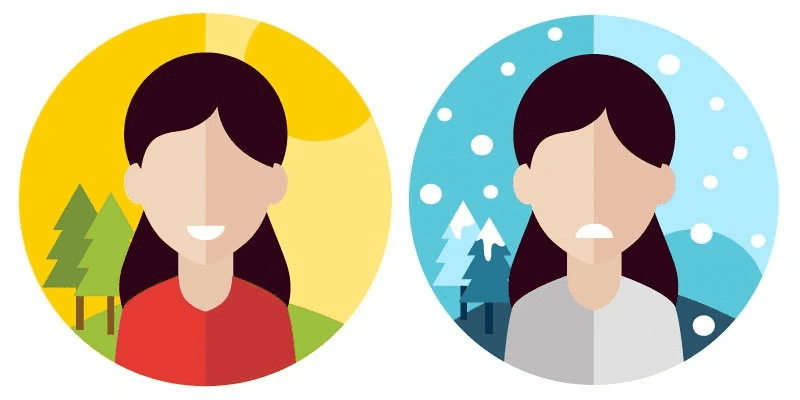
Seasonal affective disorder, or SAD, is a pattern of depression often associated with winter. An online tanning article cannot diagnose it. If seasonal low mood is persistent or affecting everyday life, seek appropriate healthcare support.
Recognising a seasonal pattern
NHS SAD guidance lists low mood, loss of interest, tiredness, sleep and appetite changes among possible symptoms. A GP can ask how mood changes over time and assess other explanations. Some people experience a seasonal pattern at a different time of year.
What care can involve
The NHS describes talking therapies, antidepressants and light therapy as possible treatments, with suitability assessed individually. It also suggests natural daylight, regular exercise, routine and social contact as self-care measures. The evidence for light boxes is limited; the NHS says to speak with a GP before trying one, especially with certain eye conditions or medicines.
Daylight is not UV tanning
A light box intended for SAD is described by the NHS as UV-free. Deliberate sunbed use is not a substitute for clinical care: NHS sun-safety guidance notes its concentrated UV risk. Melanotan products should not be presented as a mood treatment or a way to meet a daylight recommendation.
If the related concern is seasonal vitamin D, our UK vitamin D overview explains the separate nutrition guidance. For urgent mental health concerns, use NHS urgent-help services.