
20mg Two-Vial Pack vs Two-Vial Kit
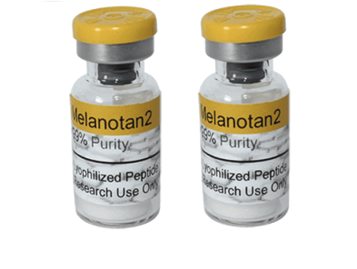
 The “20mg (2 vials)” label in this article describes the vial-only pack: two vials stated as 10mg each. Calling it an “ideal starter” once blurred that product with a different bundle.
Vial-only pack
The product article says water, syringes and swabs are excluded and the vials are unlabelled. These are seller-provided item details, not independent composition testing. Check the current article before comparing an order.
Two-vial starter kit
The separate two-vial kit also names two vials, but adds two water items, 22 syringes and 22 swabs. A larger list of accessories is a packaging distinction. It is not evidence for a twenty-injection course, dose instructions or promised tan.
Compare facts, not outcomes
Read current contents and exclusions on the two product pages. Neither a 20mg stated total nor the word “starter” establishes purity, efficacy, a safe regimen or UV protection. For the broader catalogue, see the vial listings.
Compare two-vial offers without changing what the numbers mean
The shared phrase two vials is only one line of a comparison. A useful reading keeps the container count, stated mass and accessory list separate, then checks which version of each offer is being described. This is an explanation of listing information. It does not translate package quantities into preparation steps, a dose, a course length or personal suitability.
Keep vial count and stated mass in separate columns
A count answers how many containers are named. A mass statement answers how much material the seller says those containers contain. The numbers can be related arithmetically without becoming the same measurement. For the description retained above, two containers stated as 10mg each give a stated pack total of 20mg. That calculation restates the listing; it does not independently measure what is inside.
The distinction matters when another heading puts a larger total beside a different number of containers. Comparing only the largest numeral can hide the unit or the number of items to which it applies. Before treating two offers as equivalent, check whether the quantity is stated per vial, per pack or for some other specified unit. An unexplained number should stay unexplained until its basis is clear.
None of these package quantities establishes the amount appropriate for a person or the number of occasions on which a product could be used. Dividing a stated total by an assumed personal amount would introduce a separate use claim. Likewise, accessory counts do not define a course. Keep the comparison at the level the description supports: containers and advertised contents, with their stated units visible.
Treat accessories as inventory rather than a promised routine
A kit can add items around the same advertised vial count. Those additions explain why the word kit differs from vial-only pack in the descriptions above. They do not make the bundle a complete or suitable arrangement for every purpose. Words such as starter or complete are particularly easy to overread when the exact contents and exclusions are not shown alongside them.
Record each accessory type separately instead of replacing the list with one broad label. A photograph containing several objects is not a clear statement that every object is included. Conversely, an object named in the written contents may be hard to identify in a stylised image. If the two presentations conflict, the contents question remains unresolved until the current offer is clarified.
The guide to kit photographs and appearance claims explains a related boundary. More items in an image can make a package look more substantial without demonstrating a better outcome. The inventory comparison should remain a comparison of items. It should not acquire a claim about effectiveness, convenience for a particular person or protection simply because the accessories are presented together.
Compare the same listing version and the same exclusions
A saved article, an older screenshot and a current product listing may describe different versions of an offer. A careful comparison identifies which record it uses and when it was checked. It also preserves exclusions. Omitting an excluded item from one side while assuming it is included on the other produces an apparent difference that may be caused by the comparison rather than by the products.
For a hypothetical comparison note, use separate entries for the listing name, container count, stated quantity basis, named accessories and exclusions. Leave an entry marked unspecified when the record does not answer it. Filling that gap from a neighbouring offer changes the evidence. Similar names are a reason to check identity closely, not a reason to merge two descriptions.
Prices, availability and promotional terms can change independently of the physical contents. This article does not provide a current price quotation or stock assurance. If a price is being compared elsewhere, it needs the same contents basis and date on both sides. A lower headline amount does not establish better value when the underlying offer or included items differ.
Brand names also need their context. A reference to an earlier trading name can help a reader recognise the site, but it is not an analytical result for a vial. Keep commercial identity separate from the physical identity of the tested material. Neither a familiar name nor a matching label supplies measurements that the listing itself does not contain.
Separate advertised quantity from measured composition
An independent composition claim needs an identified sample and a relevant analytical record. The stated quantity on a sales page is a different kind of information. A report should make clear which of those it is quoting. Replacing the words seller states with laboratory confirms, without a record supporting that change, would materially alter the claim even if the same number were retained.
The Breindahl and colleagues study of online vials reported differences between labelled amounts and measured content in its historical samples. It does not test the current products described here. It also cannot be converted into a present-day failure rate for M2UK or every other seller. Its useful role in this comparison is to show why a label and an assay are distinct records.
A composition record also has a scope. Identifying a substance is not the same as establishing every quality attribute, clinical effect or personal suitability. If a record answers only one question, the unanswered questions remain. The original distinction above therefore still applies: a two-vial pack and a two-vial kit can be compared as advertised inventories without treating either description as proof of safety or a promised tan.
References checked: 14 November 2026.