Hydration During Sun Exposure: Heat and UV
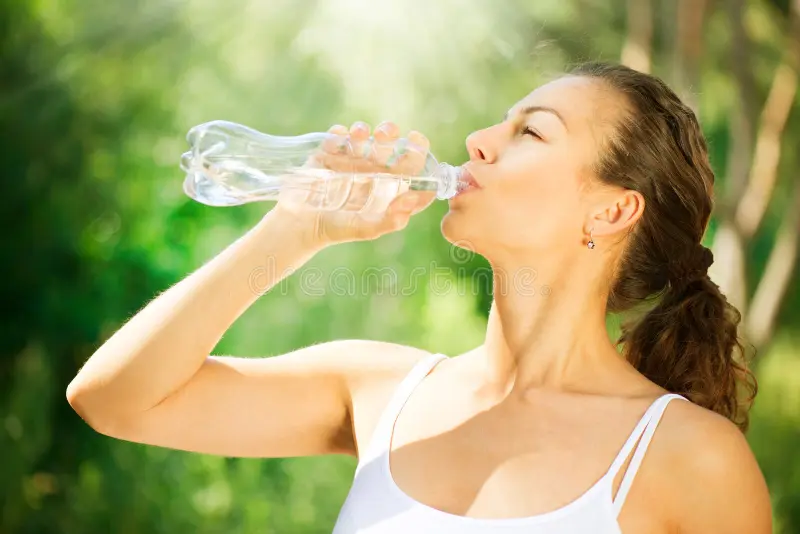
Hydration and sun protection address different risks
Hot weather can increase the risk of dehydration and heat illness. Drinking fluids is useful, but it does not make sunbathing safe or protect skin from ultraviolet radiation. The NHS sun-safety guidance recommends shade, clothing and sunscreen and explains that a tan is not protection.
Drink regularly and keep cool
The NHS hydration guide says water is a good choice, while other drinks and some foods also contribute to fluid intake. Needs can rise in heat or during prolonged activity; a general daily guide is not a fixed allowance for a sunbathing session.
Keep a refillable water bottle available and take breaks in a cooler place. The NHS guide counts tea and coffee towards everyday fluid intake; that general advice should not be confused with treatment of dehydration or heat illness. Follow the relevant condition guidance when someone is unwell.
Recognise when a break is not enough
The NHS heat-exhaustion and heatstroke page lists dizziness, headache, nausea, heavy sweating and marked thirst among possible signs of heat exhaustion. It advises cooling the person and giving fluids. Seek NHS 111 advice if symptoms are difficult to manage or you need help.
Call 999 for signs of heatstroke, including confusion, a seizure or loss of consciousness, or if someone remains unwell after 30 minutes of cooling, rest and fluids. Follow the NHS emergency guidance rather than treating persistent symptoms as part of a normal day in the sun.
Keep the UV question separate
Being hydrated, feeling comfortable or having a tan cannot tell you how much UV is reaching your skin. The UV Index guide explains the environmental measure; the UVA, UVB and UVC guide explains the radiation terms.
Sources checked: 2 November 2026. General information; follow current NHS advice for symptoms or individual concerns.
Read heat comfort and UV conditions on separate records
Heat comfort, fluid intake and UV conditions describe different parts of an outdoor situation. A change in one does not establish a corresponding change in the others. Reading each observation within its own scope helps keep a useful heat-related action from becoming an unmeasured conclusion about radiation exposure or a reason to extend intentional sunbathing.
Identify the condition each observation concerns
Name the condition being described before interpreting the observation. A person may report feeling hot, a weather record may state an air temperature and a UV forecast may describe a separate environmental measure. These records concern related circumstances, but they do not report the same property. A comparison should retain the subject and source of each one.
For an illustrative example, an outdoor account may say that a breeze made someone feel more comfortable. That statement concerns the person’s sensation in those circumstances. It does not establish how much UV reached the skin or whether the radiation conditions changed at the same time. The useful account preserves the comfort observation without giving it an additional measuring role.
A shaded or cooler-feeling place can also be described without assuming that every relevant condition has been assessed. The record needs to identify what actually changed. A statement about where someone stood, how they felt or what a thermometer showed should not automatically become a complete finding about all environmental exposures in that setting.
The distinction works in both directions. A UV figure does not report a person’s fluid balance or diagnose heat illness. A report of drinking fluids does not measure UV exposure. Keeping the questions separate prevents a reassuring answer in one area from being used to close an unanswered question in another merely because both concern the same outdoor occasion.
The skin-moisture and label-purpose explanation adds another boundary. Drinking and applying a moisturising product concern different subjects again. A general use of the word hydrated should not merge a person’s fluid intake, skin comfort and radiation protection into one supposed outcome. Each observation needs the information relevant to the particular question it addresses.
Keep a cooling change outside a UV conclusion
A change in comfort should be recorded as a change in comfort. It can be relevant to an account of an outdoor situation without becoming evidence that UV exposure has become harmless. The sensation and the radiation question require different information. One does not need to be dismissed in order to keep the other unresolved.
Imagine a fictional account that describes resting in a cooler location and then enjoying the rest of an afternoon. The narrative identifies a sequence of events, but it does not measure every exposure during that period. The later positive description should not be treated as a finding that no UV-related damage occurred or that extending exposure was appropriate.
The NHS heat-exhaustion and heatstroke guidance concerns heat illness and the response when someone is unwell. It should retain that purpose. The emergency information already provided above is not converted here into an allowance for time in sunlight, and a response to a heat concern should not be treated as an assessment of a separate UV question.
Timing statements also need a clear subject. The time someone stopped an activity, the time a forecast was issued and the time an observation was recorded describe different events. A recent weather page is not evidence that every part of an earlier account was assessed under the same conditions. Retain which record belongs to which occasion.
An absence of reported discomfort does not complete the comparison. A personal account may simply omit symptoms or describe only the part of the day the writer chose to report. That omission should remain an information limit. It should not be filled with a claim that the setting was risk-free or that another person’s experience would be similar.
Use the source that answers the remaining question
Choose the source that addresses the unanswered question. A forecast, a public-health explanation and an individual assessment have different roles. The fact that they may all mention being outdoors does not make them interchangeable. A useful reading identifies which field each source can inform and leaves the remaining questions open at their appropriate scope.
The vitamin D source-versus-status explanation considers another reason people discuss sunlight. General information about a nutrient source is not a personal exposure recommendation, just as a heat-comfort account is not a UV assessment. Combining these topics in one outdoor story should not erase their separate subjects or supply a timetable the sources have not established.
A precise record can contain several findings together. It may identify a comfort observation, a stated weather condition and a separate radiation forecast. Their presence in one account does not require an overall score. The reader can assess each statement without pretending that one reassuring detail resolves every question associated with the occasion.
When a clarification arrives, keep it with the source and field it concerns. A corrected forecast value, for example, changes that environmental record. It does not retrospectively create an observation of the person or establish why they felt a particular way. The distinction is especially useful when a narrative has combined measurements and personal impressions without identifying which is which.
The finished explanation should therefore retain what was observed, what was measured and what remains unknown. It can direct a reader to the appropriate public-health source without inventing a universal drinking allowance or a period of safe sunbathing. Personal symptoms and individual circumstances require the relevant current guidance and, where needed, qualified assessment.
References checked: 15 November 2026.