
30mg Melanotan 2: Reading the Pack Label
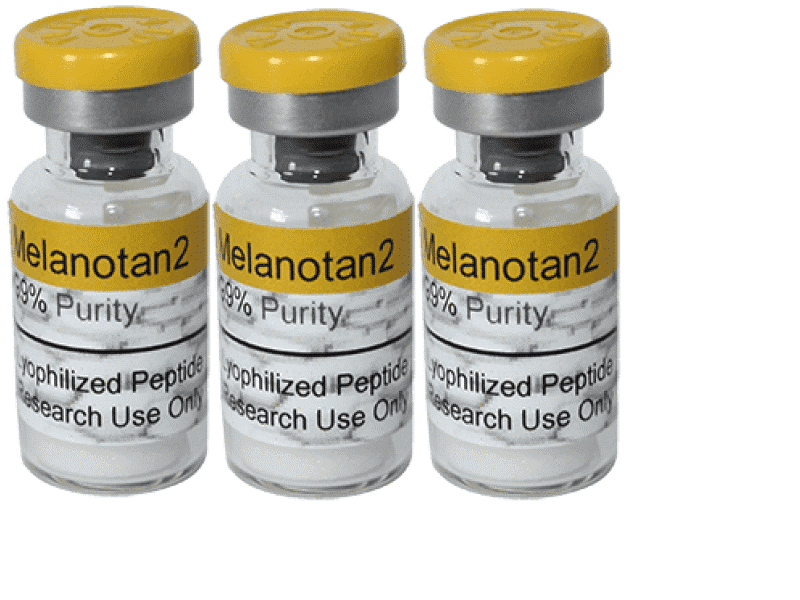
The 30mg Melanotan 2 listing describes three vials advertised as 10mg each, giving a stated 30mg total. It is a vial-only pack: the current description excludes water, syringes and swabs. Those exclusions distinguish this offer from a three-vial kit that names additional items.
The total and the number of containers explain the advertised package. They do not establish a concentration, dose or duration of supply. This guide follows those distinctions and the written records behind them. For the compound name and related abbreviations, read the Melanotan naming explanation.
Read the total and the vial count together
Three multiplied by the advertised 10mg per vial gives the stated 30mg total. The whole-pack amount and the per-vial declaration are different fields. A short message that keeps only “30mg” loses the container count and can leave the reader unsure which quantity the number describes.
| Field | Current advertised statement |
|---|---|
| Number of vials | 3 |
| Amount per vial | 10mg as advertised |
| Whole-pack total | 30mg as advertised |
| Water and accessories | Not included |
| Printed vial label | Not established; seller describes unlabelled vials |
Keep the calculation attached to the current seller description. It makes the advertised arithmetic visible; it does not independently verify the amount in any supplied vial. The description also calls the vials unlabelled, so a catalogue amount should not be presented as a confirmed printed marking on every container.
When comparing an older screenshot with the live page, retain the date and selected variation. Similar product names can be used across different versions of an offer. A current description does not automatically establish the contents of an earlier order.
Keep mass, volume and packaging separate
Milligrams describe mass and millilitres describe liquid volume. A vial count describes containers. Calling the advertised 30mg a total volume confuses those units. The number of containers does not supply the liquid volume or any concentration that a different question might require.
Three vials also do not establish three doses, three applications or three periods of use. Those interpretations add information that the retail inventory does not provide. A pack comparison should retain its commercial unit rather than translate the container count into a personal routine.
Packaging can be described by what is actually recorded: the number of containers, the wording of the offer and any identifiers supplied with it. It should not be described as giving more control, simpler handling or improved outcomes merely because the advertised total is divided between containers.
Identify the vial-only offer before comparing names
Melanotan II and Melanotan 2 are naming variants discussed in the background guide. A similar compound name does not make every pack, kit or formulation the same item. The complete product title and its inclusion list still need to be matched.
In particular, a three-vial pack and a three-vial kit need not describe the same purchase. The three-vial kit listing names water items and accessories in addition to its vials. The vial-only offer excludes those items. Keep that difference visible when comparing the two.
A written cross-reference is not another inclusion. A separate water or accessory page may explain a named item without adding it to the selected pack. If the item list does not state that an accessory is included, do not complete the bundle from a photograph or a nearby catalogue link.
Check packaging claims against the item information
The number of vials does not establish that they are single-dose containers, share one batch or have been assessed under a common storage protocol. Those are separate claims. They require information identifying the relevant product and the conditions to which the statement applies.
A container that appears closed is not independent evidence of sterility, stability or an intact supply history. Keep the visible observation separate from a conclusion that would require testing or matching documentation. Packaging convenience is also a preference rather than a measured quality attribute.
Where a date, condition or identifier is missing, ask for that particular detail. Avoid borrowing a shelf life or handling instruction from another medicine, article or product. The product preparation information explains which labels and measurement terms to keep with the question.
Compare the same declared unit across pack sizes
The vial-pack catalogue contains offers with different advertised container counts. Compare their whole-pack totals and per-vial declarations separately. A 30mg total is not inherently smaller than a single-vial product or larger than a bulk package; the other offer’s stated amount must be identified.
| Vial-only offer | Advertised vial count | Advertised total |
|---|---|---|
| Single-vial offer | 1 | 10mg |
| Two-vial offer | 2 | 20mg |
| Three-vial offer | 3 | 30mg |
| Five-vial offer | 5 | 50mg |
| Ten-vial offer | 10 | 100mg |
These are catalogue declarations rather than independent measurements. Where the listed per-vial amount is the same, the whole-pack total changes with the advertised vial count. This does not establish a difference in purity, strength of effect or the experience level of an intended user.
The 30mg pack and vial-label guide follows the quantity record in more detail. Keep each number attached to its noun and source so that a statement about the whole selection is not silently transferred to an individual container.
Use explicit comparison criteria
A useful comparison names the selected product, its current price, its quantity and its inclusions. “Balanced”, “intermediate” and “organised” are not specifications. They do not show that a three-vial offer is appropriate for a person or better suited to a particular routine.
- Compare the same type of offer: vial-only pack or accessory-inclusive kit.
- Keep the advertised total and per-vial statement separate.
- Show any excluded items beside the comparison.
- Record which product information remains unconfirmed.
A market-growth or popularity statement needs dated evidence. Its presence in a product article would not, in any case, establish the properties of the supplied items. The comparison is stronger when it uses the actual written offers rather than an unsupported explanation of why consumers supposedly prefer one.
Keep the conclusion tied to the selected listing
The stated 30mg total, three-vial count and accessory exclusions identify this offer more clearly than a general promise of flexibility or easier planning. A later clarification should identify the same selection and the specific field it resolves.
Cancer Research UK advises against using Melanotan products; read its Melanotan safety information for the independent health context. A pack label cannot establish an individual use plan or supply evidence of a health or appearance outcome.
The Melanotan 2 format comparison connects the broader product categories. For a listing discrepancy, keep the exact URL and the detail that needs clarification when contacting M2UK. The useful result is a clear account of the advertised package and its limits, with unanswered questions left explicit.