Hydration During Sun Exposure: Heat and UV
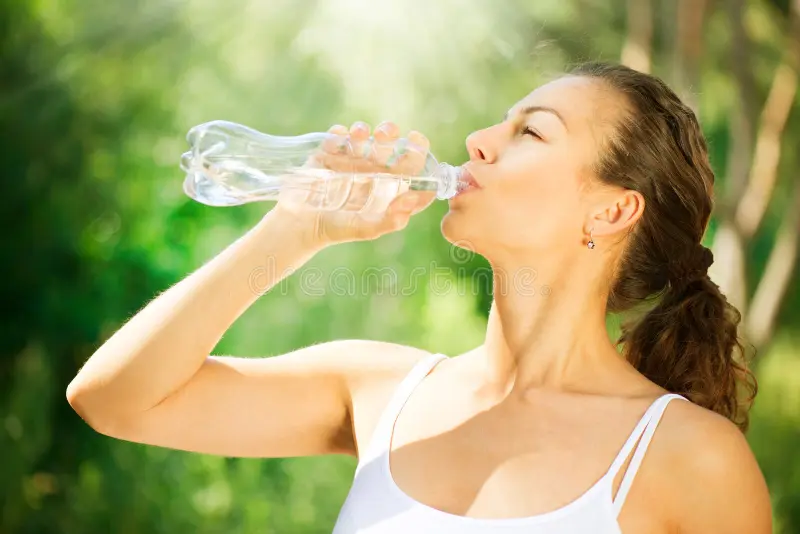
Hydration and sun protection address different risks
Hot weather can increase the risk of dehydration and heat illness. Drinking fluids is useful, but it does not make sunbathing safe or protect skin from ultraviolet radiation. The NHS sun-safety guidance recommends shade, clothing and sunscreen and explains that a tan is not protection.
Drink regularly and keep cool
The NHS hydration guide says water is a good choice, while other drinks and some foods also contribute to fluid intake. Needs can rise in heat or during prolonged activity; a general daily guide is not a fixed allowance for a sunbathing session.
Keep a refillable water bottle available and take breaks in a cooler place. The NHS guide counts tea and coffee towards everyday fluid intake; that general advice should not be confused with treatment of dehydration or heat illness. Follow the relevant condition guidance when someone is unwell.
Recognise when a break is not enough
The NHS heat-exhaustion and heatstroke page lists dizziness, headache, nausea, heavy sweating and marked thirst among possible signs of heat exhaustion. It advises cooling the person and giving fluids. Seek NHS 111 advice if symptoms are difficult to manage or you need help.
Call 999 for signs of heatstroke, including confusion, a seizure or loss of consciousness, or if someone remains unwell after 30 minutes of cooling, rest and fluids. Follow the NHS emergency guidance rather than treating persistent symptoms as part of a normal day in the sun.
Keep the UV question separate
Being hydrated, feeling comfortable or having a tan cannot tell you how much UV is reaching your skin. The UV Index guide explains the environmental measure; the UVA, UVB and UVC guide explains the radiation terms.
Sources checked: 2 November 2026. General information; follow current NHS advice for symptoms or individual concerns.